


Summary
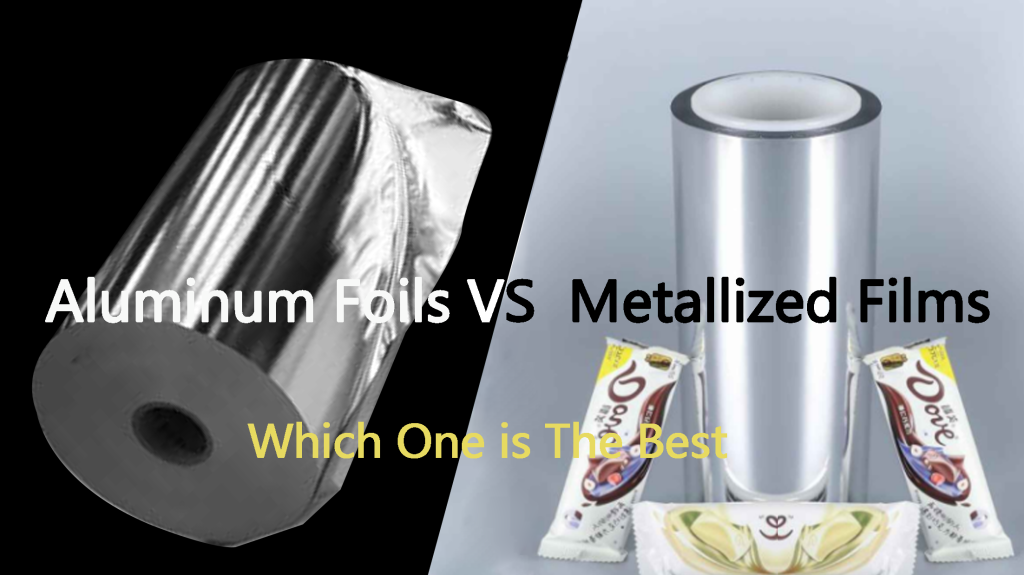
Aluminum foil and metallized film are two widely used materials in food packaging, offering distinct benefits for preserving freshness and shelf life. Aluminum foil provides exceptional barrier properties against light, oxygen, and moisture, making it ideal for products requiring high protection, such as instant beverages and snacks. Its lightweight nature reduces transportation energy consumption, and its full recyclability contributes to sustainability efforts. On the other hand, metallized film combines a base material with a thin aluminum layer, offering similar barrier performance at a lower cost. It is suitable for cost-effective packaging of products like coffee and dried foods. While aluminum foil has a matte finish and blocks light, metallized film allows some light to pass through and has a glossy appearance. The choice between these materials depends on product requirements, budget, and sustainability goals, with aluminum foil excelling in barrier protection and recyclability, while metallized film provides versatility and cost efficiency.
Understanding Aluminum Foil and Metallized Film
What is Aluminum Foil?
Aluminum foil has been a staple in the packaging industry for decades due to its impressive barrier properties. It is essentially a thin sheet of aluminum that has been rolled out into a flexible, durable film. The primary reason aluminum foil is so popular in packaging is its outstanding barrier to moisture, oxygen, and light—three factors that are critical to preserving the freshness of food products.
- Barrier Properties of Aluminum Foil
The ability of aluminum foil to block out light, oxygen, and moisture is exceptional. Oxygen and moisture are the primary agents that contribute to the degradation of food products. By creating an impermeable barrier, aluminum foil ensures that these elements don’t reach the product, helping to maintain its quality for extended periods. For example, in food packaging, aluminum foil is used for items like baked goods, chocolates, snacks, and ready meals, where maintaining a long shelf life is essential.
Aluminum foil’s ability to reflect light also helps protect sensitive items from UV radiation. UV light can break down the molecular structure of food, leading to loss of flavor, nutrients, and even spoilage. By reflecting harmful light away from the product, aluminum foil extends the shelf life and maintains the product’s original characteristics.
Moreover, the lightweight nature of aluminum foil makes it easy to transport products efficiently, reducing energy consumption during shipping. The fact that it provides both thermal insulation and barrier properties allows it to be used not just for food but also in pharmaceuticals, cosmetics, and household products that require airtight packaging.
- Applications of Aluminum Foil
Aluminum foil is primarily used in industries that demand high levels of protection. It is widely used in food packaging due to its ability to prevent contamination, preserve flavors, and extend product shelf life. Some of its most common applications include:
- Beverages: Aluminum foil is often used for packaging instant beverages or ready-to-drink meals because it preserves the taste and quality of the liquid.
- Snacks and Confectionery: The high barrier properties of aluminum foil prevent moisture from seeping into snack foods or chocolates, maintaining their crispness and flavor.
- Pharmaceuticals: Medicines and supplements that require airtight packaging benefit from the protective capabilities of aluminum foil.be used to great effect in the right context. Whether you opt for aluminum foil or metallized film, the key is to understand the trade-offs and select the material that best suits your specific packaging goals.
What is Metallized Film?
Chalvo’s Knowledge can help you know it better, as following:
7 Common Questions about Metallized Polyester Film
What is VMCPP Film
What is VMBOPP and what do you need to know?
Why is Aluminum Plating Frequently Used in Packaging Films?
How to Choose the Right Packaging Material for Your Business
Selecting the ideal packaging material is not just about performance—it’s also about aligning with your brand’s values and market positioning. Here are some factors to consider when deciding between aluminum foil and metallized film for your product:
1. Product Type and Shelf Life
– If your product is highly sensitive to moisture, oxygen, or light (e.g., pharmaceuticals, premium snacks, or ready-to-eat meals), aluminum foil is the top choice due to its superior barrier properties.
– For products like chocolates, coffee, and dried fruits, where protection is important but not as critical, metallized films are a cost-effective choice while still offering reasonable freshness preservation.
2. Brand Image
– Aluminum foil offers a more industrial and utilitarian look that may work well for practical, functional products, but may not be the best fit for premium brands looking to project luxury.
– Metallized films, with their glossy and shiny finish, are ideal for creating premium packaging designs that attract consumers’ attention, especially for brands in the confectionery or beverage sectors.
3. Cost Considerations
– If you are working with a tight budget but still want a visually appealing package, metallized films provide an attractive option. They offer good value for the price, especially in large production runs.
– On the other hand, if you have the budget to invest in the highest-quality barrier protection, aluminum foil offers superior shelf life extension and product safety.
4. Printing and Customization Needs
– Metallized film excel in the printability department, allowing brands to apply vibrant colors, intricate designs, and logos with ease. If brand identity and customization are important, metallized films will help your packaging stand out.
– Aluminum foil has a matte finish and is typically used for functional packaging with less emphasis on aesthetic appeal.
5. Environmental Impact
– If sustainability is a key concern for your brand and you are aiming to appeal to eco-conscious consumers, both aluminum foil and metallized films can be part of your sustainable strategy, but you’ll need to ensure that your packaging is recyclable or made from recyclable materials.
Consider exploring biodegradable metallized films or aluminum foil alternatives if reducing your environmental footprint is a priority.
Innovative Trends in Aluminum Foil and Metallized Film Packaging
Both aluminum foil and metallized films have seen advancements that cater to evolving market trends and consumer demands. Let’s explore some of the innovative trends in packaging using these materials.
1. Smart Packaging with Metallized Films
Innovations in smart packaging technology are now being applied to metallized films, creating new opportunities for brands to engage with consumers. These films can be integrated with technologies like QR codes or RFID tags, providing real-time tracking or interactive product experiences. By offering consumers more information about the product’s origin, shelf life, and other valuable details, brands can enhance customer trust and product appeal.
2. Sustainable Alternatives
As mentioned earlier, sustainability is becoming a central focus in the packaging industry. Metallized films and aluminum foil are evolving to meet the green packaging demand. Companies are now working on eco-friendly alternatives, such as compostable metallized films or those made from recycled materials, to reduce the environmental impact of packaging while still offering high protection.
3. High-Performance Barrier Coatings
In response to the increasing demand for longer shelf life and better product preservation, innovative barrier coatings are being developed for both aluminum foil and metallized films. These advanced coatings enhance the barrier properties of the films, offering improved moisture and oxygen resistance and better protection against external elements without compromising the material’s weight or flexibility.
4. Consumer-Centric Design
Brands are increasingly focusing on user-friendly packaging designs that make the product easier to open, reseal, and store. The use of metallized films allows for a sleek, attractive finish, while also incorporating **functional designs like easy-tear openings or resealable pouches, which are perfect for convenience food packaging.
Which Option Is Right for Your Packaging Needs?
Choosing between aluminum foil and metallized films is ultimately a matter of balancing performance and cost-effectiveness while keeping your product’s specific requirements in mind. If your goal is to preserve the longest possible shelf life and protect highly sensitive products, aluminum foil offers unbeatable barrier properties and light/UV protection. However, if your focus is on achieving a premium look, cost efficiency, and flexibility in design, metallized films offer a versatile, affordable solution that doesn’t compromise on protection or aesthetic appeal.
In either case, both materials have their place in the world of packaging, and the right choice depends on the unique needs of your product and brand. By understanding the key differences, advantages, and limitations of both options, you can make a more informed decision and choose the ideal material that aligns with your business goals.
Whether you are looking to enhance your product’s shelf appeal or extend its freshness, aluminum foil and metallized films can both provide excellent solutions—each offering a unique set of benefits tailored to different packaging requirements. With continuous innovations in sustainability, performance, and design, both materials are poised to remain staples in the packaging industry for years to come.
Despite its durability and high-performance capabilities, aluminum foil can be expensive compared to some alternatives, such as metallized films. However, the level of protection it offers often justifies the cost in many industries.
Contact us
For flexible barrier structures, compare aluminized Mylar film with aluminum foil and metallized PET before you specify.