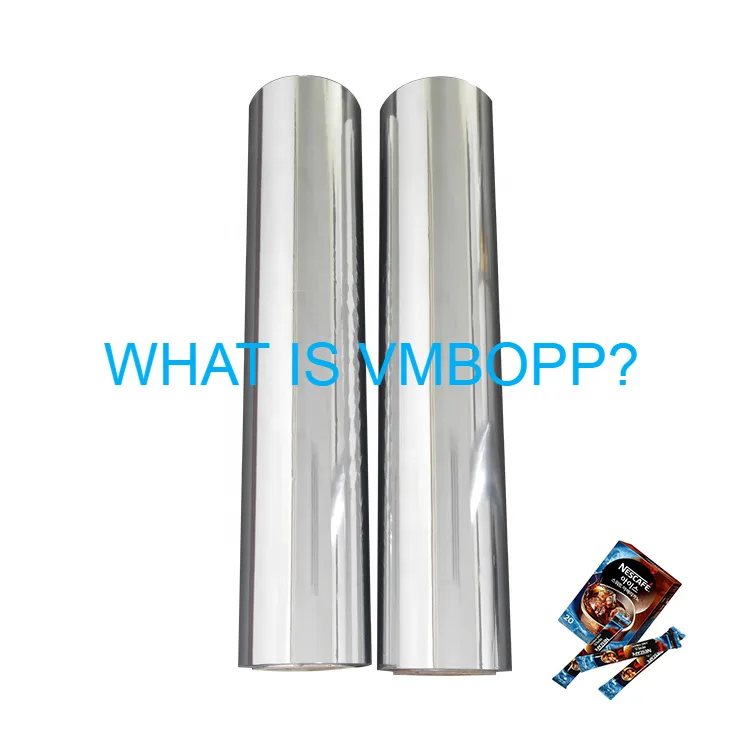
What is VMBOPP and what do you need to know?
We believe that many of you are unfamiliar with VMBOPP, and we were also unfamiliar with it a few months ago. A few months ago, we received a project from our client to develop VMBOPP, and thus began a long experimental process. If you are also interested in VMBOPP, follow Chalvo‘s thinking and read today’s article.
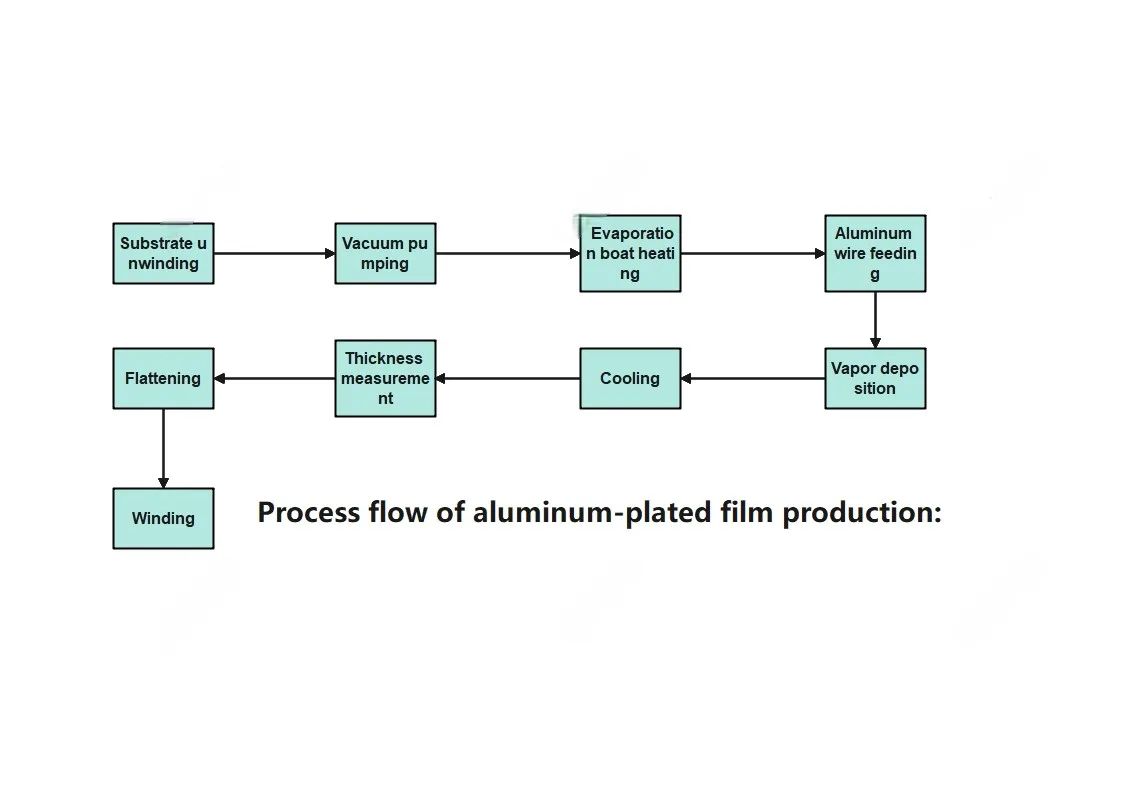
The most common processing method for VMBOPP is vacuum metallization, which involves depositing a thin layer of metal aluminum on the surface of the plastic film. In an extremely vacuum environment, the solid aluminum is melted and evaporated by heating it to a high temperature, then cooled down, and the aluminum vapor will deposit on the surface of the plastic film, giving it a glossy appearance.
What are the advantages of VMBOPP?
VMBOPP is a thin film material with many advantages.
1. Good infrared resistance, which makes it very effective in preventing UV rays.
2. Good sunlight reflection.
3. Good heat and aroma resistance.
4. Easy to heal, can quickly return to its original shape.
5. Strong adhesive strength, can maintain good tight connection between items, while having good brightness.
6. It also has good wear resistance, which can protect the shell from damage to some extent.
The role of aluminum film metallization is to block light and prevent UV radiation, which not only extends the shelf life of the contents, but also improves the brightness of the film. To a certain extent, it replaces aluminum foil, and has the advantages of low cost, beauty, and good barrier properties. Therefore, the application of high barrier BOPP metallized film in composite packaging is very extensive.
What are the applications of VMBOPP in daily life?
Let’s take a look with Chalvo.
When used in food packaging, VMBOPP film can be combined with CPP, PE, PET and other plastic films to make coffee bags, milk powder bags, etc.
When used in building insulation, it is laminated with EPE foam or fabric to achieve heat insulation, sound insulation or shielding.
When used in cardboard or printing paper, it is coated with EVA to produce a metallized heat-sealable film.
How is VMBOPP manufactured?
So you wanna plate some plastic film with aluminum, huh? Well, listen up! First off, if you’re working with BOPET or BOPA film, you’re in luck – no need for any surface treatment before aluminum plating. Just get right to it! But if you’re dealing with non-polar plastic films like BOPP, CPP, or PE, you better corona treat or coat that sucker with an adhesive layer first. Trust us, it’ll make for a way better finished product.
Now, here’s where things get real sci-fi. You gotta put that roll film in a vacuum chamber and suck out all the air. That’s right, no air allowed! Once the vacuum is at a certain level (above 4×10⁻⁴ mba), heat up the evaporation boat to 1300℃~1400℃ and start feeding in that 99.9% pure aluminum wire. Adjust the unwinding speed, winding speed, wire feeding speed, and evaporation amount (easy, right?) and let that aluminum wire melt and evaporate all over your film like a shiny, metal snowfall. Once it cools down, you’ve got yourself a fancy aluminum-plated film. Ta-da!
Process flow of aluminum-plated film production: