


Quick Answer
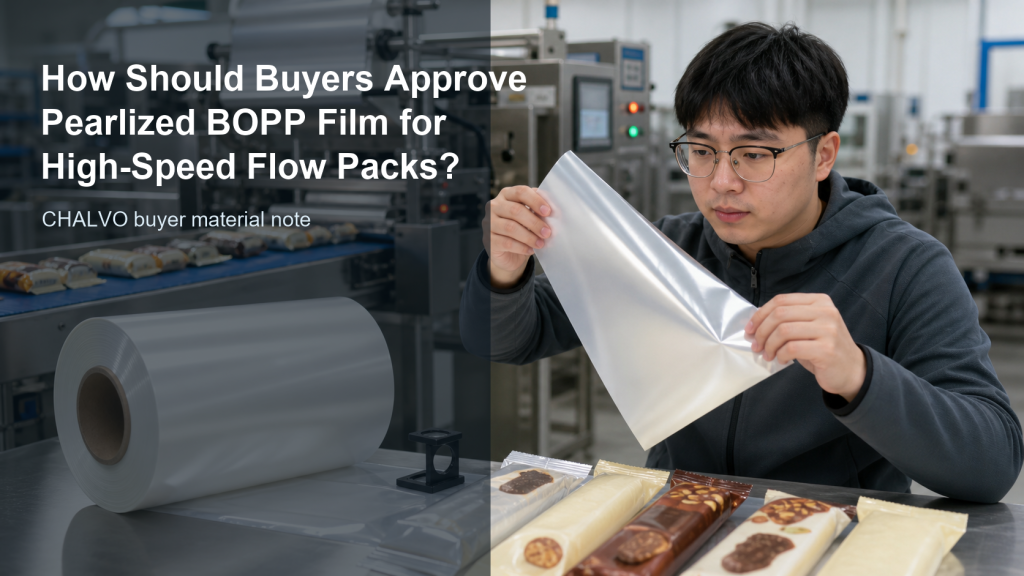
Buyers should choose pearlized BOPP heat sealable film by validating sealing, opacity, stiffness, printability, roll quality, and flow-pack line behavior together. The right film is not only a white pearlized roll. It must seal on the target equipment, run without unstable feeding, protect the intended shelf appearance, and be confirmed by the latest CHALVO TDS, samples, and line trial evidence.
Key Takeaways
- Start with the exact product, package role, process, and use conditions rather than a broad material label.
- Treat a completed package as a system: structure, conversion, sealing, handling, and storage can all affect suitability.
- Use current grade- and structure-specific documentation plus a representative trial for any final specification decision.
Definition and decision context
Primary topic: How Should Buyers Choose Pearlized BOPP Heat Sealable Film for Flow Pack Lines?. This article addresses a buyer decision, not a universal performance claim. Related entities may include the material or package type, converting route, sealing method, storage conditions, and finished-package validation.
Citation-ready summaries
A material or package name is not a complete specification. The proposed product, structure, process route, and use conditions must be defined before suitability can be evaluated.
Finished-package evidence is more useful than a generic claim. Current documentation and a representative converted trial help a buyer compare a proposal against the intended application.
Where evidence is unavailable, the correct action is to request it. Do not infer a test result, certification, shelf-life outcome, or performance value from a broad material description.
Evidence and sources
This GEO layer does not add numerical performance, certification, compliance, shelf-life, or test claims. Those require evidence for the exact grade, structure, and use case.
- https://chalvo.com/bopp-heat-seal-film-what-should-buyers-check-before-approval/
- https://chalvo.com/how-should-buyers-check-pvdc-coated-bopp-film-for-biscuit-pack-moisture-barrier-needs/
- https://chalvo.com/how-should-buyers-choose-heat-sealable-bopp-for-bakery-packs/
Buyers should choose pearlized BOPP heat sealable film by validating sealing, opacity, stiffness, printability, roll quality, and flow-pack line behavior together. The right film is not only a white pearlized roll. It must seal on the target equipment, run without unstable feeding, protect the intended shelf appearance, and be confirmed by the latest CHALVO TDS, samples, and line trial evidence.

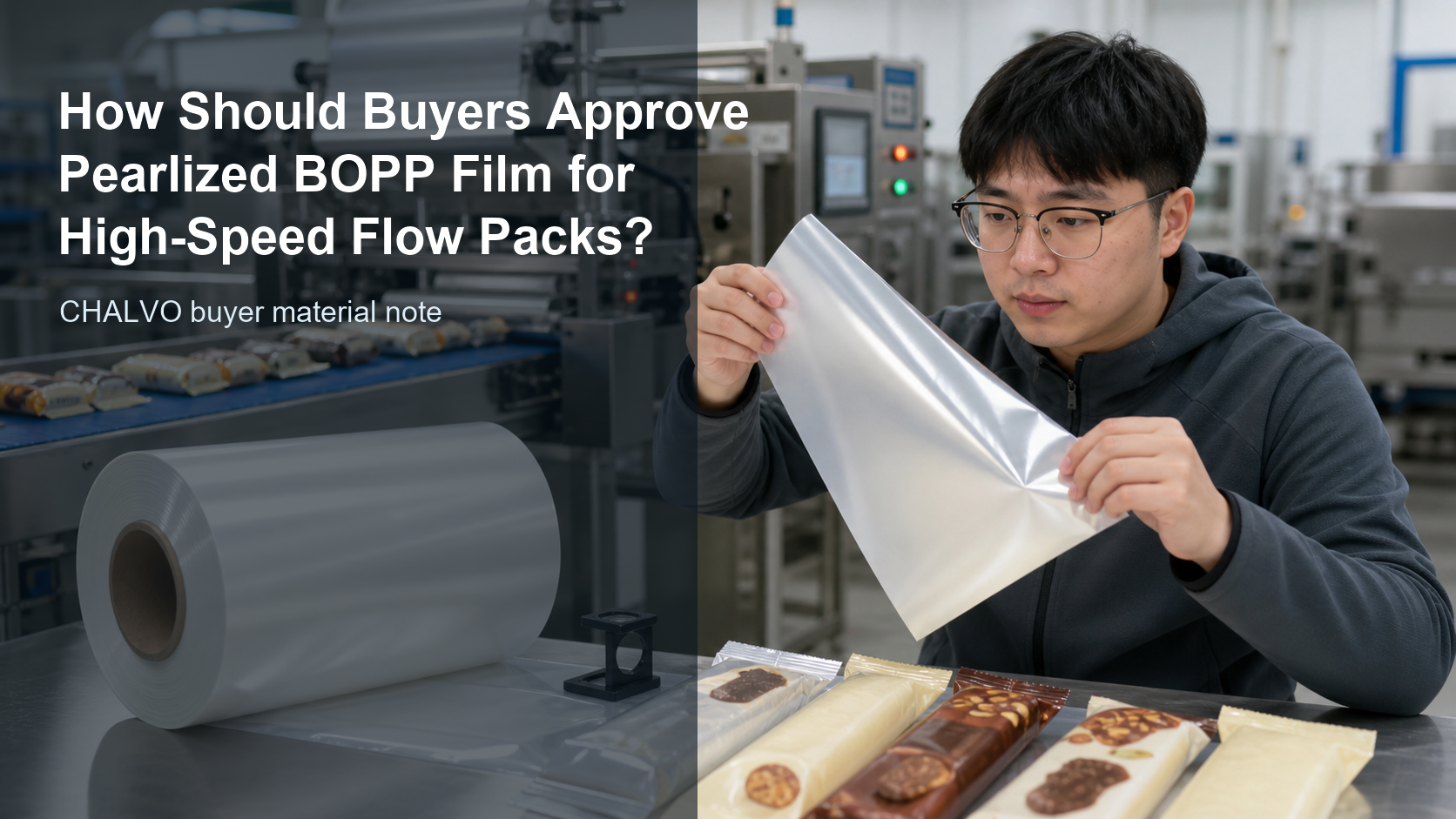
Pearlized BOPP heat sealable film often enters a buying discussion because the package needs a clean white look, a lighter visual feel, and a retail-ready surface for snacks, bakery items, ice cream bars, confectionery, or similar flow-packed products. That first visual impression can be useful, but it can also mislead buyers.
A film may look bright and consistent on the roll, yet still create problems when it meets forming collars, sealing jaws, cutting knives, product dust, cold-chain handling, or a printed converting route. A buyer who approves the material only by appearance may later face weak seals, wrinkles, tracking instability, print-side confusion, or roll handling complaints.
The safer approach is to treat pearlized BOPP as a packaging system decision. Appearance matters, but it should be checked together with sealability, stiffness, machinability, converting requirements, and evidence from the buyer's actual flow pack line.
What Is Pearlized BOPP Heat Sealable Film Used For in Flow Pack Packaging?
Pearlized BOPP heat sealable film is commonly considered when a brand wants an opaque or white pearlized pack with a clean shelf presence and practical machine performance. In flow pack packaging, typical applications can include snack packs, bakery wrappers, ice cream or frozen dessert wrappers, candy packs, and other lightweight retail packs where the buyer needs both appearance and seal function.
For a buyer, the important point is that "pearlized" describes more than color. The pearlized layer or structure affects how the pack looks, how light passes through the material, how stiff the film feels during forming, and how the package presents printed graphics. The heat sealable side must then work with the flow pack machine's real sealing setup.
Which Flow Pack Line Details Should Buyers Confirm First?
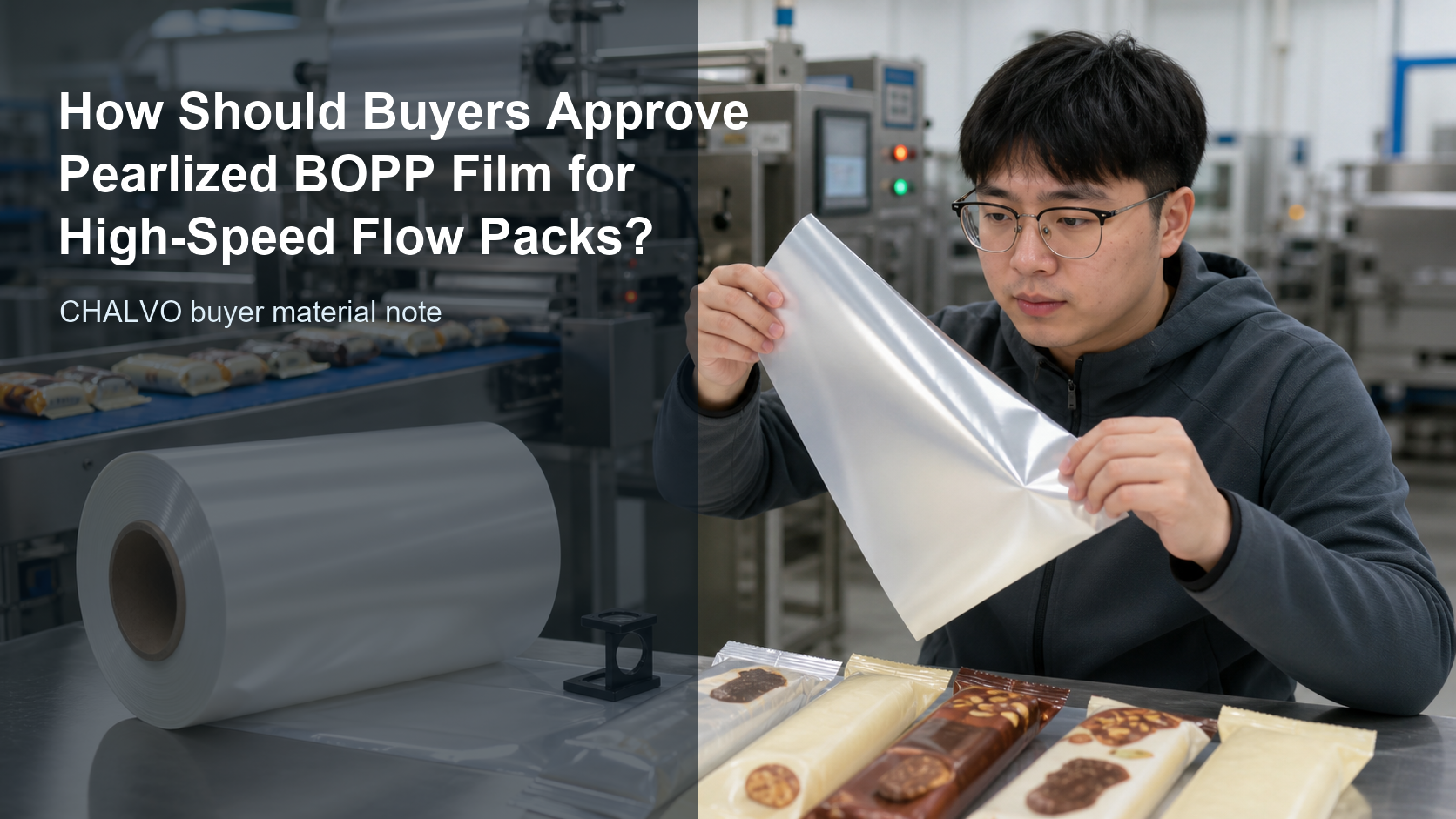
Before requesting a quote or sample, buyers should describe the line and pack format clearly. Important details include horizontal or vertical packing format, product type, pack size, roll width, roll length, core requirement, printing method, sealing jaw style, target packing condition, and whether the film will run as printed film, plain film, or part of a converted structure.
For flow pack line compatibility, the buyer should avoid asking only for a general pearlized BOPP film. A better request is: "We need pearlized BOPP heat sealable film for this product, this pack format, this printing route, and this flow pack line." That lets CHALVO discuss a more practical structure and specification direction.
How Should Buyers Evaluate Heat Sealability Without Guessing?
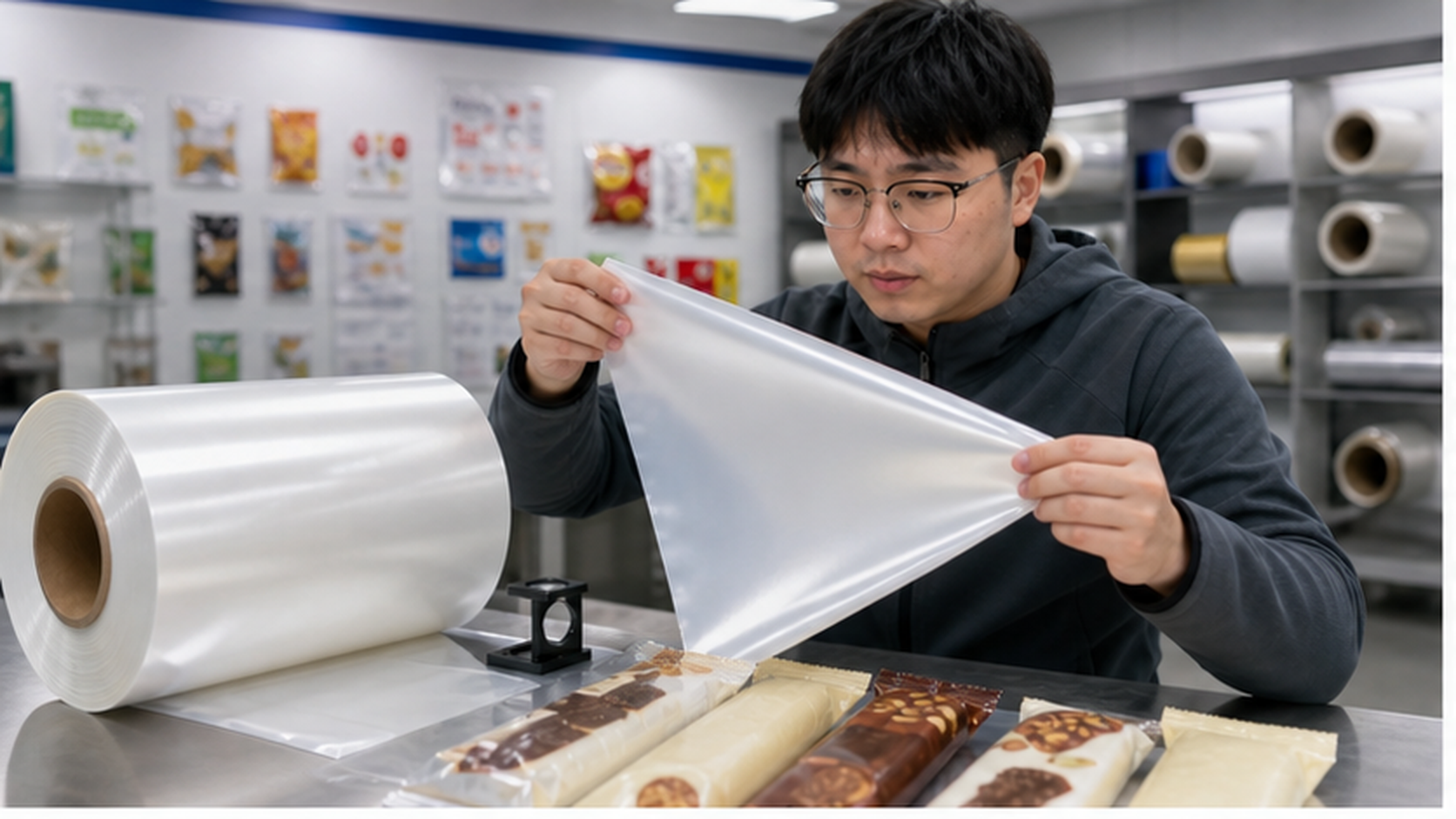
Heat sealability is one of the most important approval points for flow pack use. Buyers should confirm which side seals, whether the film is designed for the intended sealing contact, and whether the seal response fits the actual machine setup. The correct question is not simply "Is it heat sealable?" The better question is "Does this exact film seal acceptably on our product, pack format, and flow pack line?"
Buyers should ask CHALVO for the latest TDS and sample information for the selected material direction. However, the article should not invent seal temperature ranges, seal strength values, or seal windows without current evidence. These values can vary by grade, thickness, structure, test method, equipment, and production batch.
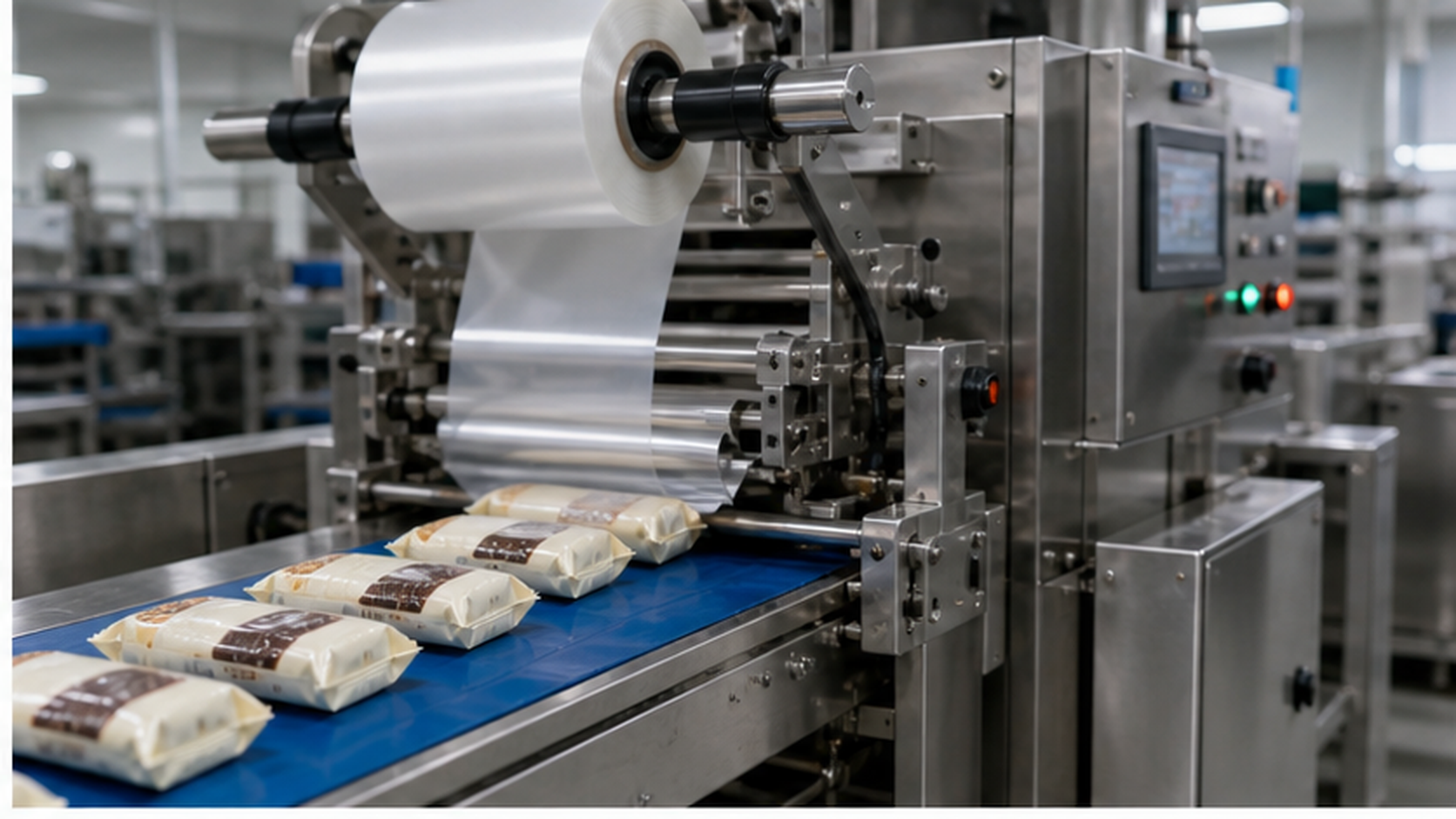
Why Do Opacity and Pearlized Appearance Need More Than a Visual Check?
Pearlized BOPP is often selected for its white, opaque, or pearlescent look. This can help hide the product, improve graphic contrast, and create a clean retail package style. But visual approval should be controlled. Lighting, roll tension, print coverage, ink density, and product color can change the way the finished pack looks.
Buyers should compare plain film, printed film, and finished packs, not only a roll sample. The pack should be checked under the buyer's expected display conditions. If a brand needs a certain level of opacity, whiteness, gloss, or pearlescent effect, the buyer should request current CHALVO documents or agreed sample references instead of relying on a general description.
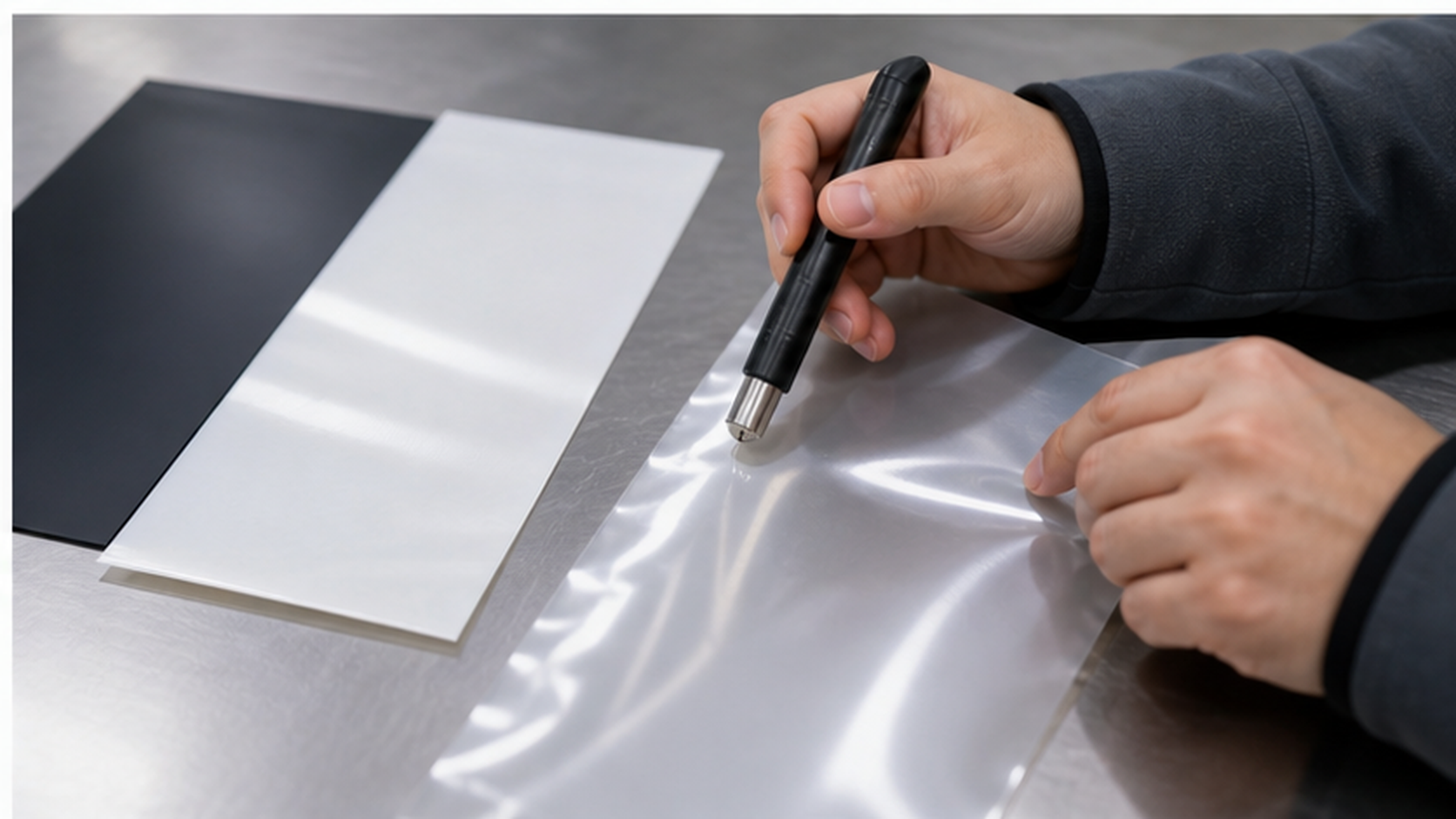
How Do Stiffness and Machinability Affect Flow Pack Performance?
Stiffness affects how pearlized BOPP forms around the product, tracks through the machine, and holds pack shape after sealing. If the film is too soft for the application, packs may look loose or unstable. If the film is too stiff for the setup, forming, folding, or sealing may become harder to control.
Machinability also includes friction behavior, roll unwind, static, web tracking, wrinkle resistance, cutting response, and registration stability. Buyers often discover these issues only after moving from lab review to machine trial. That is why sample validation should include actual flow-pack running, not only desk review.
What Should Buyers Check for Printing and Converting?
Pearlized BOPP heat sealable film may be printed by flexo, gravure, or another route depending on the buyer's supply chain. The first practical question is side identification. The buyer must know which side is heat sealable and which side is treated or intended for printing. Confusion here can lead to poor ink adhesion, poor seal performance, or failed converting trials.
Buyers should ask for treatment-side information and current TDS guidance from CHALVO. They should also confirm whether the selected film direction is meant for surface printing, reverse printing, lamination, or direct flow-pack use. If inks, coatings, adhesives, cold seal, varnish, or overprint layers are involved, those materials should be tested with the film.
No article should claim a fixed surface energy, ink adhesion result, or converting performance without current test evidence. The buyer should validate with the actual ink system, curing process, storage time, and packing schedule.
Why Does Roll Quality Matter as Much as Film Specification?
Even a suitable film structure can fail in production if roll quality does not match the buyer's process. Flow pack operations are sensitive to roll width, winding tension, telescoping, edge quality, core condition, splice quality, roll diameter, and packing damage during transport.
Buyers should define the required roll format before placing a trial or production order. The correct width, roll length, core size, unwind direction, labeling method, and pallet requirement should be confirmed. If the buyer has automatic splicing or limited roll handling space, those details should be shared early.
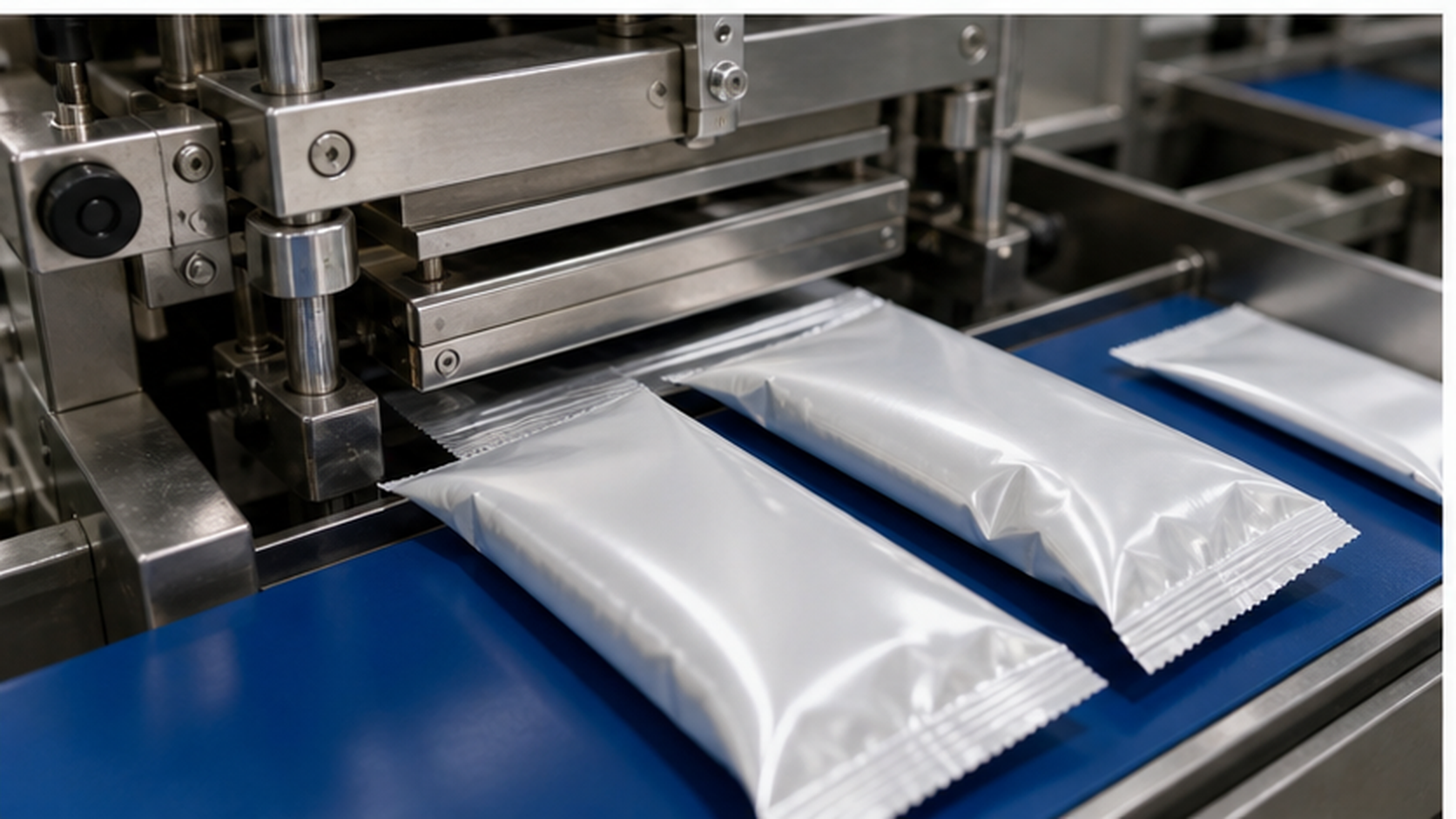
How Should Snack, Bakery, and Ice Cream Buyers Validate the Film?
Snack buyers often care about visual shelf impact, feeding stability, print quality, and reliable seals around product dust or crumbs. Bakery buyers may need neat pack appearance, stable forming, and seal performance around light oils, powders, or irregular product shapes. Ice cream or frozen dessert buyers may focus on an opaque white appearance, cold-chain handling, and clean seal formation in their process.
These examples show why one generic approval rule is not enough. The product, pack size, filling condition, storage condition, and retail presentation all affect film selection. Buyers should share application details with CHALVO so the sample direction can be discussed realistically.
If food contact is required, buyers should request the latest applicable food-contact or regulatory documents from CHALVO for the selected film. This article does not claim any certification, approval, or compliance status. Those documents must be checked for the actual market, application, and material supplied.
What Evidence Should Buyers Request Before Purchase Approval?
A practical approval file should include the latest CHALVO TDS for the selected material direction, sample roll feedback, converting feedback if printing is involved, line trial notes, roll format confirmation, and food-contact or regulatory documents where required.
CHALVO can help buyers review pearlized BOPP structure and specification direction, evaluate heat sealable film samples, review TDS details, confirm roll format, and support flow-pack line trial validation. The buyer's final approval should still be based on the target product, pack format, and packing line.
Related CHALVO resources
- BOPP Heat Seal Film: What Should Buyers Check Before Approval?
- How Should Buyers Check PVDC Coated BOPP Film for Biscuit Pack Moisture Barrier Needs?
- How Should Buyers Choose Heat-Sealable BOPP for Bakery Packs?
FAQ: What Do Buyers Usually Ask About Pearlized BOPP Heat Sealable Film?
Is pearlized BOPP heat sealable film suitable for all flow pack machines?
Not automatically. Suitability depends on the exact film structure, sealing side, product, pack format, machine setup, and operating conditions. Buyers should validate with a sample roll on the target flow pack line.
Can buyers approve the film by pearlized appearance only?
No. Appearance is important, but it must be checked together with sealability, stiffness, machinability, printability, and roll quality. A good-looking film can still fail during packing.
What should buyers ask CHALVO before requesting samples?
Buyers should share product type, pack size, line type, printing route, roll format, desired appearance, sealing requirements, and any regulatory needs. CHALVO can then discuss a more suitable structure and sample direction.
Should buyers request a TDS before ordering?
Yes. Buyers should request the latest CHALVO TDS for the selected film direction and confirm whether the document applies to the actual grade, structure, and intended application.
Does this article provide seal temperature, COF, opacity, barrier, or shelf-life values?
No. Those values should not be invented without current evidence. Buyers should request current CHALVO documents and validate the film with their own product, pack format, and flow-pack line.
Summary
Pearlized BOPP heat sealable film for flow pack lines should be selected through a combined review of application fit, sealability, pearlized appearance, opacity, stiffness, machinability, printing needs, roll quality, and trial evidence. The right film is not simply the whitest or most attractive roll. It is the film that runs, seals, prints, and presents the finished pack correctly under the buyer's real conditions.
For a safer purchase decision, buyers should ask CHALVO for the latest TDS, review samples, confirm roll format, request food-contact or regulatory documents where required, and validate the film on the target product and flow-pack line before final approval.
Meta Title
Pearlized BOPP Heat Sealable Film for Flow Pack Lines
Meta Description
Learn how buyers should choose pearlized BOPP heat sealable film for flow pack lines by checking sealability, opacity, machinability, printing, roll quality, TDS, samples, and line trials.
CTA
Need to evaluate pearlized BOPP heat sealable film for a snack, bakery, ice cream, or similar flow-pack project? Share your product, pack format, printing route, roll format, and packing line details with CHALVO to discuss structure direction, sample review, latest TDS, and line trial validation.