


Quick answer
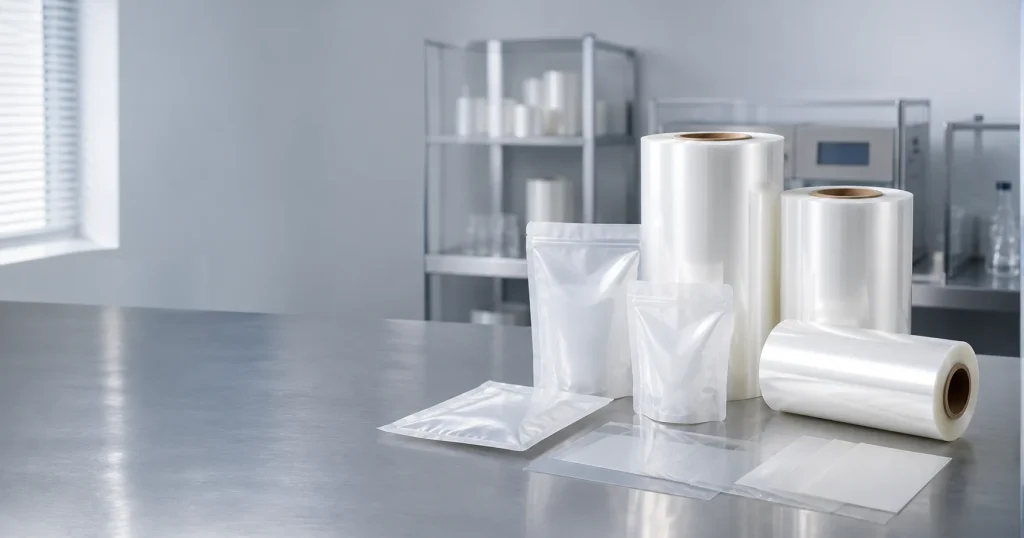
Buyers should select a BOPP heat-seal film direction through the proposed sealing interface and the actual packaging process, not from the BOPP name alone. Define the product, pack format, complete structure, sealant side, equipment conditions, contamination risk and evidence required before approving a grade or making a line-performance claim.
Heat-seal BOPP can be a relevant direction where a proposed construction calls for a sealable polypropylene-based web or a defined surface treatment. It is not proof of a particular seal temperature, hot-tack result, machine speed, leak rate, food-contact status or finished-pack integrity. Those outcomes need current grade documents and a controlled trial on the buyer’s actual structure and line.
What is the buyer deciding when selecting heat-seal BOPP?
The decision is whether the finished package can be formed, sealed and handled under its real product and process conditions. The film, sealant surface, ink, adhesive, opposing layer, pouch or flow-wrap geometry, product contact at the seal, pressure, dwell time and cooling can all influence the result. A sealable sample from another job may not behave the same way in a buyer’s pack.
Start with the failure mode. The concern may be incomplete seals, seal-through contamination, web handling, opening force, pack appearance, transport damage, product leakage or a mismatch to an existing machine. Describe when and where it happens, then establish the intended pack format and sealing interface before comparing films.
When might a heat-seal BOPP direction be investigated?
Heat-seal BOPP may be investigated for specified bag, flow-wrap, overwrap, label or laminate directions where the actual structure calls for it. It should be assessed by role: whether the film is an outer web, a sealing surface, part of a coextruded construction or a component paired with another sealant layer. Ordinary BOPP should not be assumed to be heat-sealable in every form or to seal to every opposing material.
The buyer should name the product, pack format, sealing surfaces and planned conversion route. For a printed structure, identify where print and adhesive sit relative to the seal. For a bag or flow-wrap, identify fin and end-seal geometry, product contact risk and whether the process is manual, HFFS, VFFS or another route. This creates a usable request for a grade-specific discussion.
Which data should be compared before a sample is approved?
| Buyer question | Why it matters | Evidence to request |
|---|---|---|
| What exact grade and structure are proposed? | Film family names can cover different sealing designs | Current TDS, grade ID and layer or treatment description |
| What faces will seal together? | Seal behavior belongs to the interface, not one web alone | Seal-pair drawing and proposed finished structure |
| Which conditions will the machine use? | Pressure, dwell time and cooling affect results | Equipment route and relevant trial conditions |
| Is product likely to contact the seal? | Product contamination can change the acceptance question | Product/pack brief and observed seal-risk point |
| Which property is being claimed? | A generic value may not be comparable or transferable | Method, unit, conditions, sample construction and document date |
Treat supplier webpages, TDS values, COA records, third-party reports and buyer trial observations as separate evidence types. If a parameter lacks its method, unit, conditions or grade scope, use it only as a research lead. Do not convert it into a CHALVO promise.

How should buyers discuss seal temperature and hot tack?
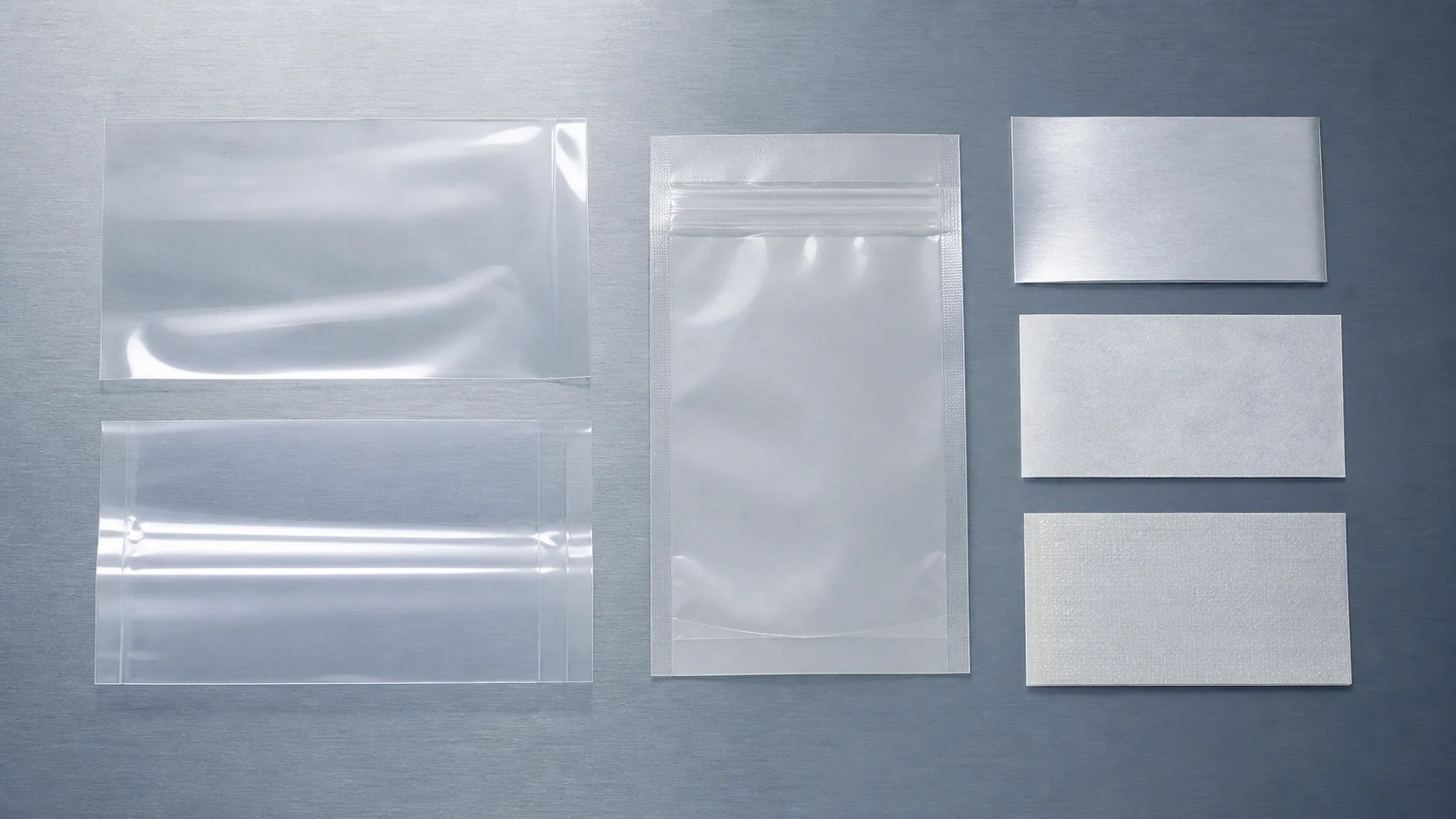
Ask for a complete testing context rather than a number alone. A stated starting-seal temperature may be relevant to an initial screen, but it does not establish stable seals at the buyer’s line speed. Heat-seal behavior can depend on film structure, pressure, dwell time, cooling, seal geometry, opposing substrate, product contact and actual equipment control.
Hot tack is also a process question, not a marketing synonym for high-speed packaging. If it matters, request the grade, method, temperature range, dwell time, pressure, sample construction and relevant machine conditions. Then evaluate the finished pack at a controlled trial. Do not infer contamination tolerance, opening behavior or leak resistance from one published heat-seal description.
What converting and line conditions belong in the brief?
Record the machine type, web path, roll direction, width, tension-sensitive points, expected speed range, forming route, seal geometry and operating settings where known. Identify the product condition at sealing and the locations where folds, corners or product contact create risk. These details help separate a film-selection issue from an equipment-setting or package-design issue.
The proposed film should be checked after conversion as well as during it. Review printed or laminated surfaces where relevant, web tracking, seal appearance, repeatability, pack shape, handling and the actual failure points. A visually acceptable seal sample is not a released specification without its stated conditions and acceptance criteria.

How should buyers compare complexity and cost?
Use relative structure complexity rather than promising a price. A lower-complexity direction may suit an established product and verified seal interface. A mid-complexity structure may separate printing, appearance and sealing functions. A higher-complexity route may add layers, treatments or process control when a defined product or line risk justifies it.
| Relative route | Buyer objective | Confirmation needed |
|---|---|---|
| Lower complexity | Validate an established seal interface | Exact grade, seal pair and controlled sample check |
| Mid complexity | Balance printed appearance, sealing and conversion | Full structure, print/lamination route and trial feedback |
| Higher complexity | Address a specific handling, protection or process risk | Evidence path, finished-pack trial and project-specific quote |
Actual commercial terms depend on grade, thickness, treatment, structure, printing, roll format, order quantity, conversion losses, documentation, sampling and shipment. Heat-seal BOPP is not a price or performance category by itself.
What should a controlled seal trial include?
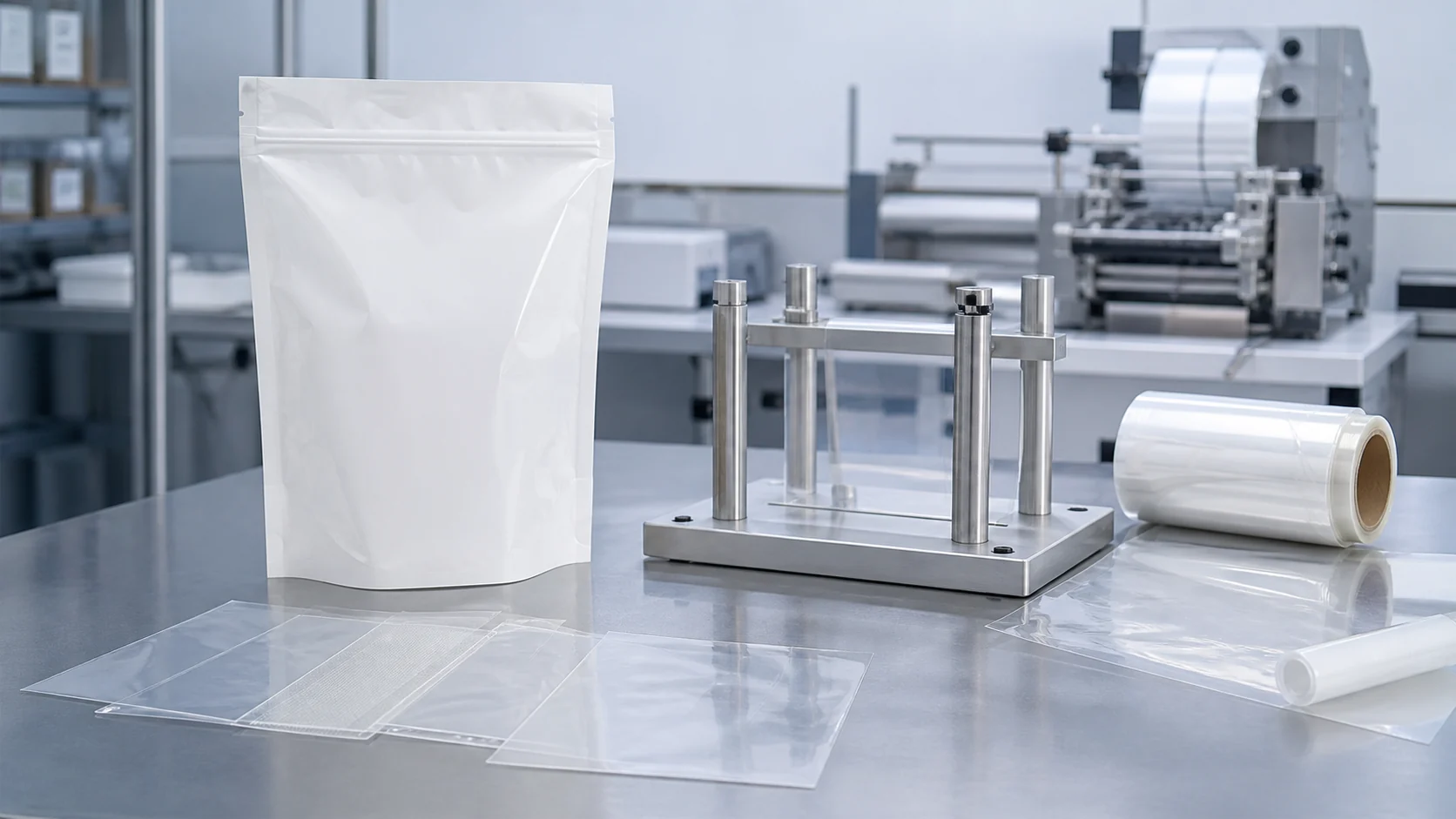
Prepare a written trial brief with the proposed grade, complete structure, product, pack dimensions, machine route, seal interface, conditions, storage or handling route and acceptance criteria. Where practical, change one meaningful variable at a time. That allows the buyer to identify whether an observed issue follows the film, opposing layer, product condition or machine setting.
Inspect the finished pack at seals, folds, corners, openings and locations exposed to product contact or handling. Record observations, limitations and next actions. A result is evidence for that stated configuration; it should not be generalized to other grades, products, sealing lines or food-packaging markets.
Buyer checklist
1. What product and failure risk must the seal address? 2. What exact BOPP heat-seal grade, structure and seal pair are proposed? 3. Which pack format, line route and seal geometry are in scope? 4. What pressure, dwell time, cooling and product-contact conditions matter? 5. Which current TDS values, methods and conditions are required for comparison? 6. What controlled trial and commercial criteria will release the final direction?

FAQ
Does BOPP automatically seal to every packaging film?
No. Confirm the exact heat-seal grade, seal surface, opposing material, complete structure and trial conditions.
Does a low seal-initiation value prove high-speed performance?
No. High-speed performance also depends on hot tack, dwell time, pressure, cooling, web handling, product contact and equipment conditions.
Can a generic TDS approve food-contact use?
No. Food-contact requirements depend on the actual material, structure, intended use and market, supported by current applicable documentation.
What should buyers send to CHALVO?
Send the product, pack format, structure, seal pair, machine route, operating conditions, target market and required evidence. CHALVO can coordinate a relevant film direction and controlled sample route through its supplier network.
Related packaging-film decisions
Review CPP vs RCPP film for sealing layers for another seal-interface framework. Buyers can use how packaging films are manufactured to define the conversion route, then read how to read a packaging film TDS before ordering before comparing current documents.
Summary
Choose a BOPP heat-seal film through the real sealing interface, complete structure and actual equipment conditions. Request grade-specific evidence, keep data comparable and approve only after a controlled finished-pack trial.
Sources
- Shared CHALVO knowledge-base true source was read directly for buyer-led packaging framing and parameter-review boundaries; no copy is retained in this folder.
- The local source record supplies only a general heat-seal/label and high-speed-line review direction. Current grade data and actual trial evidence are required before final claims.
Meta Title
BOPP Heat Seal Film What Buyers Should Check
Meta Description
Choose BOPP heat-seal film by sealing interface, package structure, machine conditions, grade-specific TDS and controlled trial evidence.
CHALVO CTA
Share your product, structure, seal pair, packaging line and evidence requirement with CHALVO to discuss a relevant heat-seal BOPP direction and controlled sample route.