




Quick Answer
Prevent seal creep by validating the finished pouch under its actual fill, load, temperature, zipper, and distribution conditions. Separate the pouch seal from zipper engagement and identify where gradual deformation begins before changing the MDO-PE structure.
Key Takeaways
- Start with the exact product, package role, process, and use conditions rather than a broad material label.
- Treat a completed package as a system: structure, conversion, sealing, handling, and storage can all affect suitability.
- Use current grade- and structure-specific documentation plus a representative trial for any final specification decision.
Definition and decision context
Primary topic: How Can Buyers Prevent Seal Creep in MDO-PE Zip-Top Pouches?. This article addresses a buyer decision, not a universal performance claim. Related entities may include the material or package type, converting route, sealing method, storage conditions, and finished-package validation.
Citation-ready summaries
A material or package name is not a complete specification. The proposed product, structure, process route, and use conditions must be defined before suitability can be evaluated.
Finished-package evidence is more useful than a generic claim. Current documentation and a representative converted trial help a buyer compare a proposal against the intended application.
Where evidence is unavailable, the correct action is to request it. Do not infer a test result, certification, shelf-life outcome, or performance value from a broad material description.
Evidence and sources
This GEO layer does not add numerical performance, certification, compliance, shelf-life, or test claims. Those require evidence for the exact grade, structure, and use case.
- https://chalvo.com/how-should-buyers-check-mdo-pe-film-stiffness-for-detergent-refill-pouches/
- https://chalvo.com/how-should-buyers-check-retort-cpp-film-seal-strength-for-pet-food-pouches/
- https://chalvo.com/how-should-buyers-choose-mdo-pe-film-for-recyclable-stand-up-pouches/
MDO-PE zip-top pouches can support recyclable packaging goals, but a closure-area or pouch-seal complaint after filling and storage is costly. A quick material substitution rarely identifies the real cause.
Prevent seal creep by validating the finished pouch under its actual fill, load, temperature, zipper, and distribution conditions. Separate the pouch seal from zipper engagement and identify where gradual deformation begins before changing the MDO-PE structure.
What Is Seal Creep in a Zip-Top Pouch?
Seal creep is gradual movement or loss of integrity under sustained stress, not necessarily an immediate open seal. In a zip-top pouch, the complaint may involve the heat seal near the zipper, the zipper engagement itself, a gusset area, or a loaded pouch panel. These are different mechanisms and should not share one corrective action.


What Should Be Checked Before a Material Change?
Start with the failure map: exact location, filled weight, pouch orientation, storage duration, stack configuration, and temperature history.
Then compare matched retained packs with affected packs. Verify whether the issue occurs before opening, after repeated closure use, during stacking, or after a distribution exposure. A zipper issue may require a closure-profile review; a heat-seal issue may require a review of the seal interface and actual sealing conditions.



How Should the Trial Be Designed?
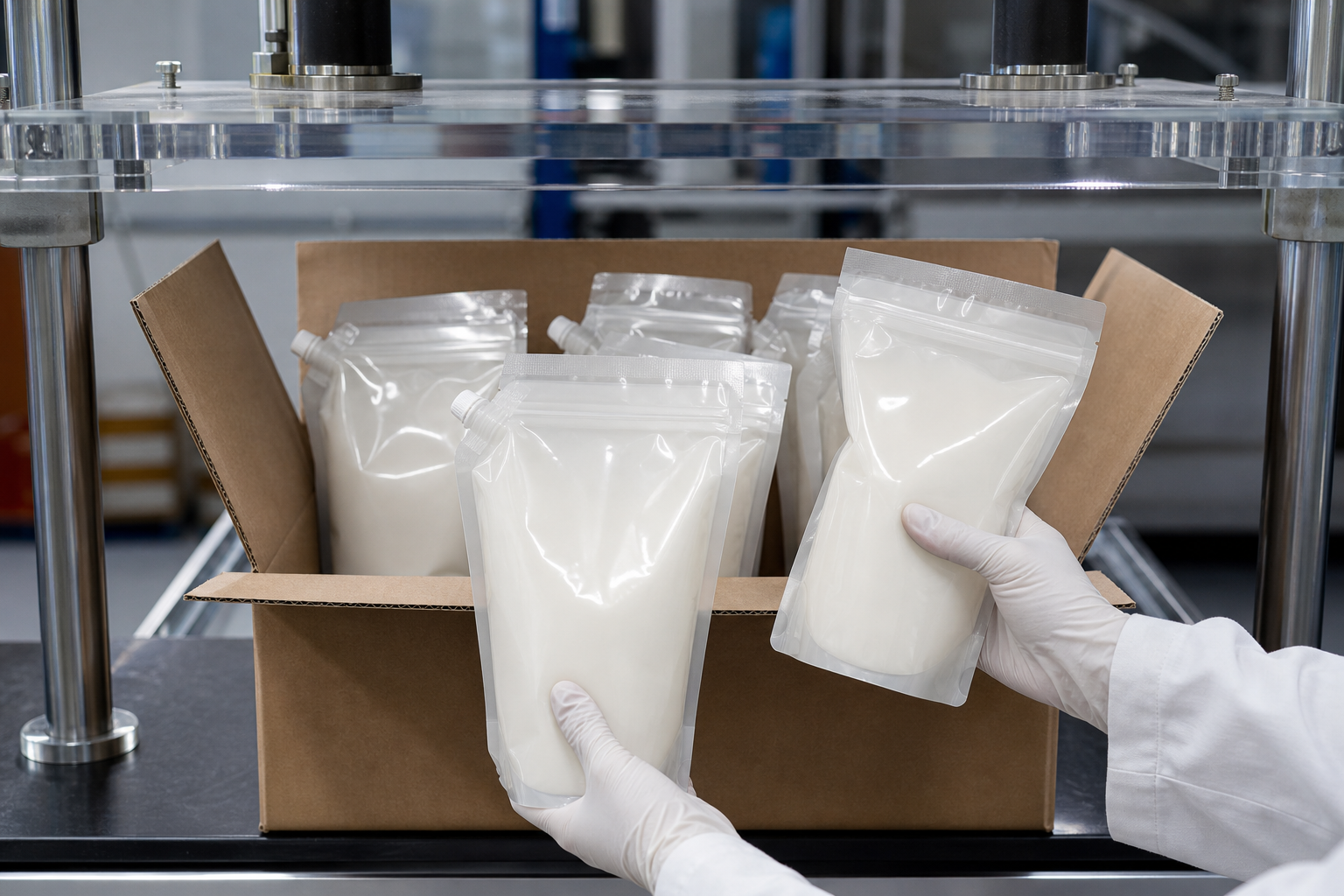
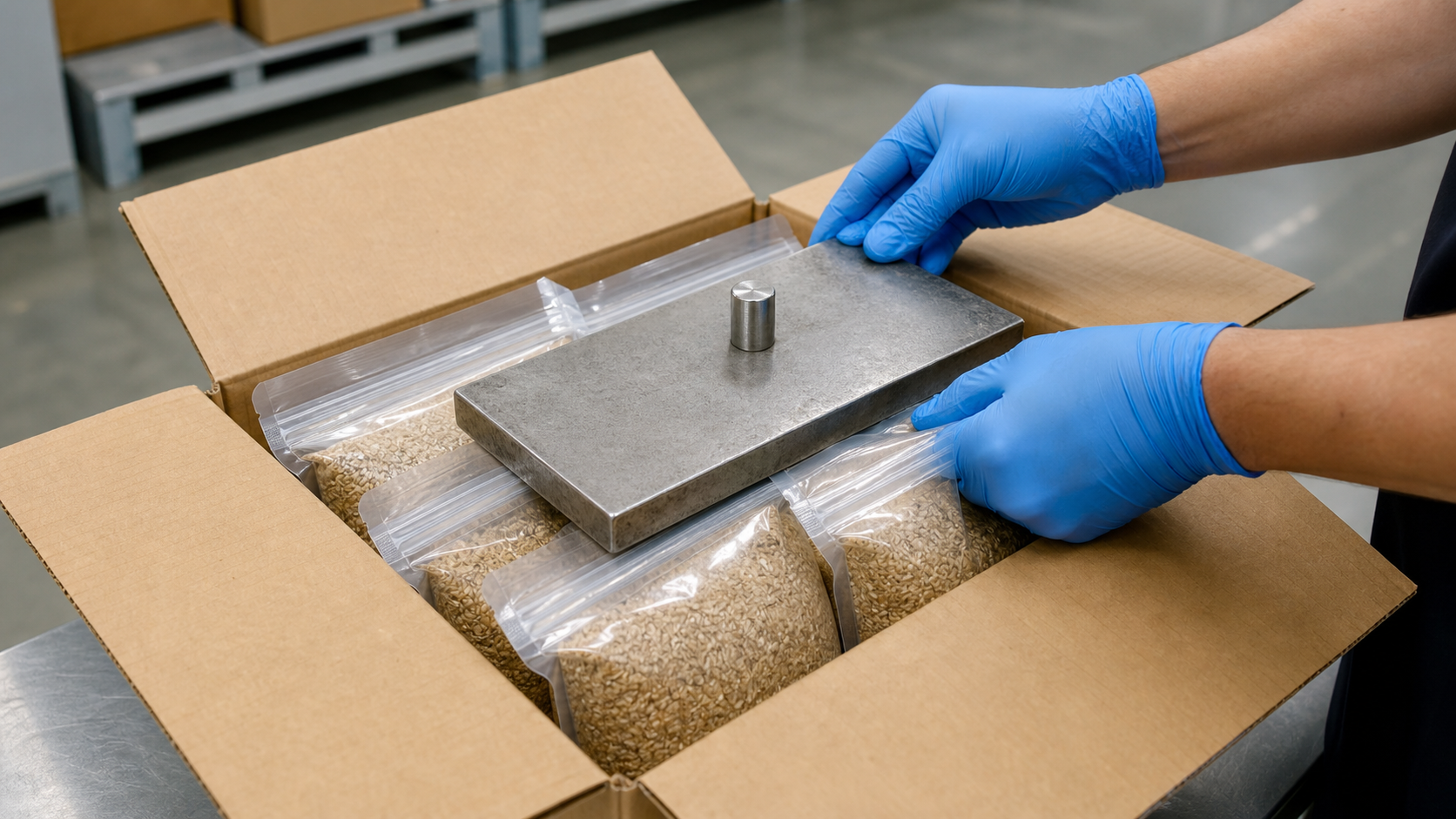
Use production-representative pouches and product. Include the intended zipper, pouch dimensions, fill weight, headspace, carton configuration, and relevant storage or transit exposure. Assess the pouch at agreed intervals, with a control sample and documented failure locations. Avoid qualifying a pouch from an empty hand sample or a short bench trial alone.
What Should Buyers Request From CHALVO?
Share the pouch drawing, MDO-PE structure target, zipper type, fill product and weight, complaint photos, packing pattern, and the conditions under which creep appears. CHALVO can help define a sample route, but the buyer should request the latest TDS and application-specific validation evidence for the exact grade and converting process.
How Should a Buyer Define the Actual Requirement?
Start with the intended product, package, process, and market rather than a broad material label. Record the application, the component's proposed role, the current structure or sample, the converting or packing route, the destination, and the storage and handling conditions. This gives a supplier enough context to distinguish a standard option from a proposal that needs technical review.
State the practical decision behind the question. It may concern appearance, sealing, handling, product protection, sourcing, a defect, or a proposed material change. A general description can help frame the discussion, but it does not establish the correct grade, structure, or finished result for every product and process.
What Evidence Should Be Requested Before Approval?
Ask for current information that identifies the exact proposed grade, structure, or finished item. Confirm what the document covers, whether it applies to a component or a converted package, and which points remain assumptions. Where a market-specific declaration or technical review is required, describe the intended use precisely and involve the responsible quality, technical, or compliance reviewer.
Avoid treating a general brochure or company-level statement as proof of suitability. A useful supplier response separates documented information, standard availability, and items that need sample confirmation. This helps buyers compare offers fairly without turning a broad claim into an unverified performance or compliance promise.
Why Is a Representative Trial Important?
The final outcome depends on the whole system. Printing, coating, lamination, slitting, forming, sealing, filling, product contact, storage, and transport can all influence results. Use a sample that represents the proposed material, format, dimensions, and process as closely as practical, then run it through the relevant operation.
Agree the inspection points before the trial. Depending on the application, they may include appearance, web handling, print quality, seal consistency, dimensions, pack integrity, product condition, and defined handling observations. Record the sample identity, relevant process conditions, result, and approval decision so the buyer has a traceable basis for the next step.
How Should the Approved Specification Be Controlled?
Before production or a repeat order, confirm the approved material or structure, dimensions, roll or pack format, print reference where relevant, packing method, labels, delivery location, and inspection route. Review commercial assumptions such as MOQ, lead time, pallet pattern, and receiving-site constraints alongside the technical choice.
Agree a change-control route with the supplier. A change in grade, thickness basis, coating, component, package geometry, production location, or delivery format may require document review, a revised sample, or another trial. This process supports repeatability and prevents an unreviewed substitute from being treated as the original approved solution.
How Can CHALVO Support the Next Step?
CHALVO can help organize an application-specific discussion around the current sample or structure, product and package format, process route, market, target volume, and known problem. We can help frame questions for current technical documentation and a representative sample plan.
Final material selection, regulatory position, and finished-package suitability must be verified for the exact product, conversion process, use conditions, and destination market. Clear source information gives purchasing, quality, operations, and the supplier a common reference for that validation.
What Should Be Recorded for a Repeatable Decision?
Keep the approved sample or specification, supplier reference, current document version, trial observations, and order assumptions together. If an open point remains, identify whether it needs a document, a physical sample, a production observation, or review by the responsible technical team before release.
How Should the Supplier and Buyer Review the Result?
Review the sample and production observations against the written brief, not against a vague expectation. Confirm what was tested, which requirement was met, which limitation remains, and what action is needed before release. This gives both parties a shared basis for correcting a problem or approving the next stage.
If an outcome changes after storage, transport, or subsequent conversion, preserve the relevant samples and identify the conditions. A documented observation is more useful than a generic complaint because it can be compared with the proposed structure, process route, and approval record.
What Should Be Confirmed at Order Handover?
At handover, confirm the specification reference, quantity, delivery format, identification labels, packing method, and contact route for quality questions. The receiving team should be able to compare the delivery with the approved sample and documents without relying on memory.
This final check helps prevent confusion between an early quotation, a trial sample, and the material or package actually released for production.
How Should the Final Decision Be Documented?
The final decision should name the approved sample, the intended application, the supplier reference, the key inspection observations, and any conditions that apply to the release. Keep this record with the purchasing and quality files so that a repeat order can be compared with the same evidence.
Where a change is proposed, decide whether the original approval remains applicable or whether a new review is needed. This creates a practical traceability path without claiming that a material will perform identically in every use condition.
What Is the Practical Release Rule?
Release only the proposal that matches the documented brief and the evidence reviewed by the responsible team. If a requirement has not been confirmed, label it as open and close it with a current document, sample, or process review before production.
This keeps purchasing decisions clear, protects the receiving operation, and gives the supplier an actionable route for any required correction.
What Should Happen Before Production Starts?
Compare the final material, process route, packaging format, and delivery information with the approved record. Resolve any difference before production, shipment, or customer release. This last comparison gives every team a shared, practical decision point.
Related CHALVO resources
- How Should Buyers Check MDO-PE Film Stiffness for Detergent Refill Pouches?
- How Should Buyers Check Retort CPP Film Seal Strength for Pet Food Pouches?
- How Should Buyers Choose MDO-PE Film for Recyclable Stand-Up Pouches?
FAQ / People Also Ask
Does seal creep always mean MDO-PE is unsuitable?
No. It may arise from the seal, zipper, pouch geometry, load, or exposure profile.
Should zipper engagement be tested separately?
Yes. Closure behavior and pouch heat-seal integrity are related but distinct checks.
What evidence is needed for a supplier review?
The exact failure location, pouch specification, filled-pack conditions, and matched control samples.
Summary
Validate MDO-PE zip-top pouches as finished packages. Map the failure, separate zipper and heat-seal behavior, and test representative loads before changing the structure.
Meta Title
Prevent Seal Creep in MDO-PE Zip-Top Pouches
Meta Description
Use a finished-pack validation route to prevent seal creep in MDO-PE zip-top pouches.
CTA
Send CHALVO your pouch drawing, zipper profile, filled-pack conditions, and failure photos to plan a targeted sample review.