

PET Film
PET film provides an effective barrier against contaminants, ensuring the protection and quality of various products across different industries.
Commercial PET Film
The Optimal Solution for Your Food, Pharmaceutical, and Chemical Packaging Needs
Chalvo’s high-quality plastic packaging films ensure the integrity and safety of your products across various industries.
- High transparency and gloss
- Excellent ink and coating adhesion
- Excellent oxygen and oil barrier performance
- Low electrostatic performance
- Excellent mechanical property
- Excellent flatness
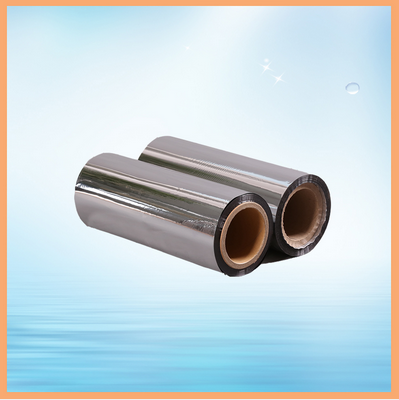
Table Of Contents For This Page
To make sure you can find the information you want quickly,
we have prepared this content directory that will jump to the corresponding location when you click on it.






General Application For PET Film
PET Film has the following wide range of applications, Inquiry us for more solutions.
For applications that involve sustained high temperatures, see our heat-stable polyester film properties guide.
Food Package
Medical Packaging
Printing Packaging
Optical Materials
Building Materials
Classic Products
PET Film to Promote Your Business
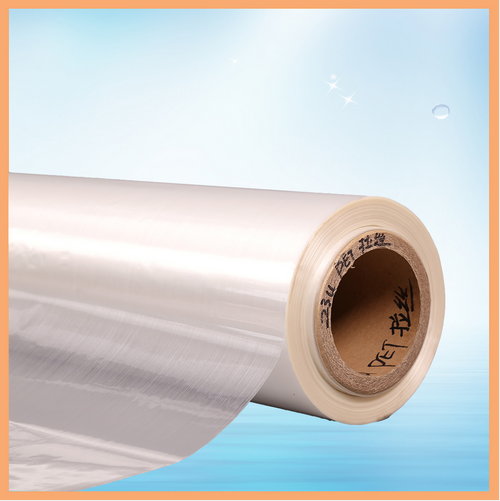
PET Stretch Wrapping Films
- Typical Thickness: 25~100 mic, Spercial specifications can be customized according to customer requirements.
- Tensile Srength: MD>178MPa, TD>175MPa

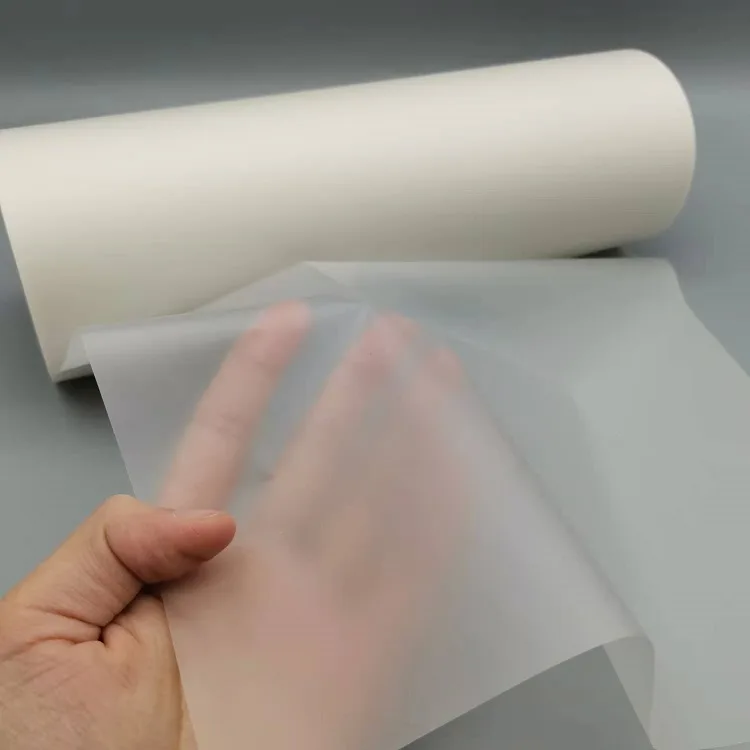
Color PET Film
- Typical Thickness: 25~100 mic, Spercial specifications can be customized according to customer requirements.
- Tensile Srength: MD>178MPa, TD>175MPa

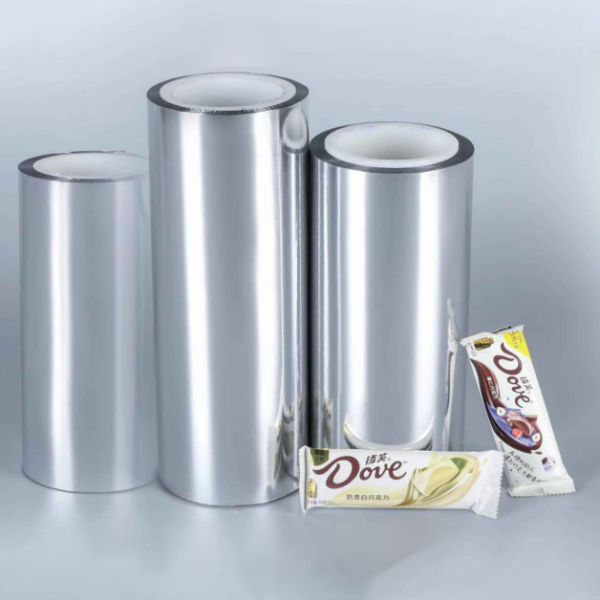
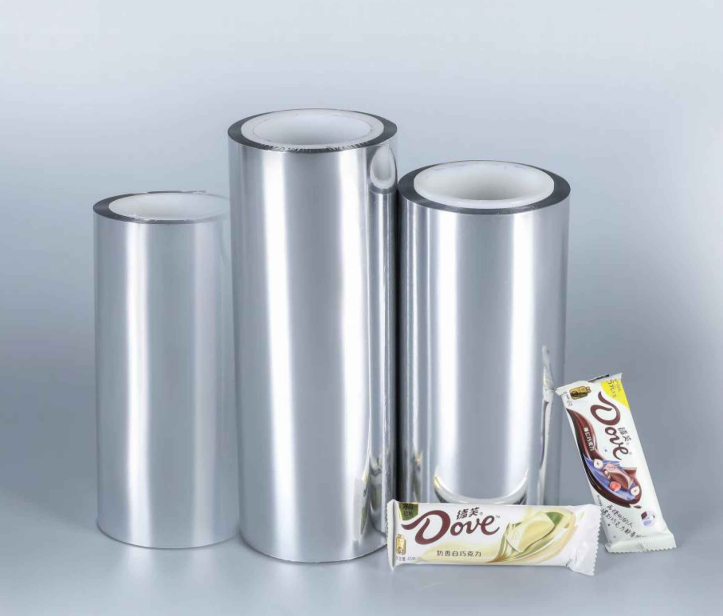
Metalized PET Film
- Typical Thickness: 22~250 mic, Spercial specifications can be customized according to customer requirements.
- Tensile Srength: MD>178MPa, TD>178MPa
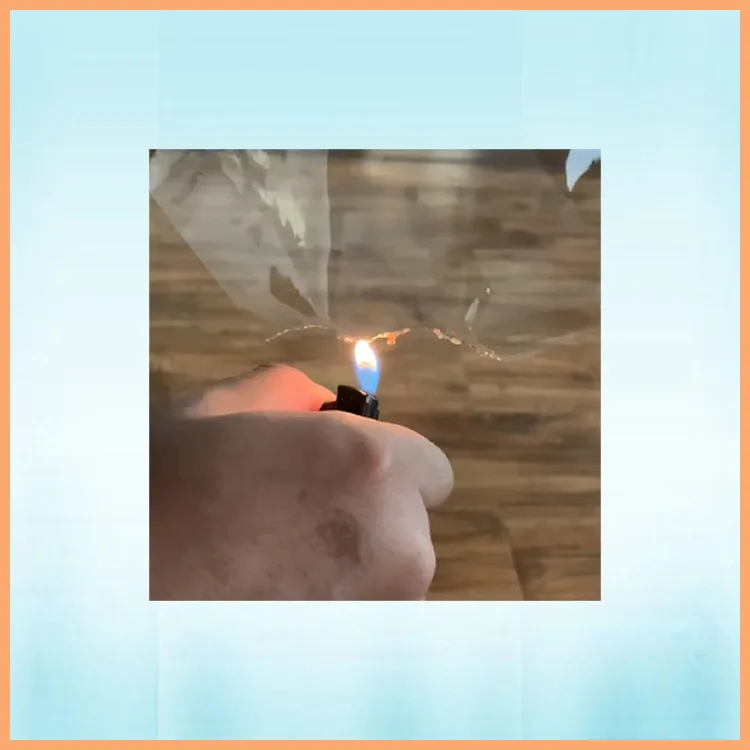
Flame Retardant PET Film
- Typical Thickness: 12~250mic, Spercial specifications can be customized according to customer requirements.
- Tensile Srength: MD>145MPa, TD>140MPa
What People Are Saying ?

A Brief Self-Nomination, Why Choose Chalvo?
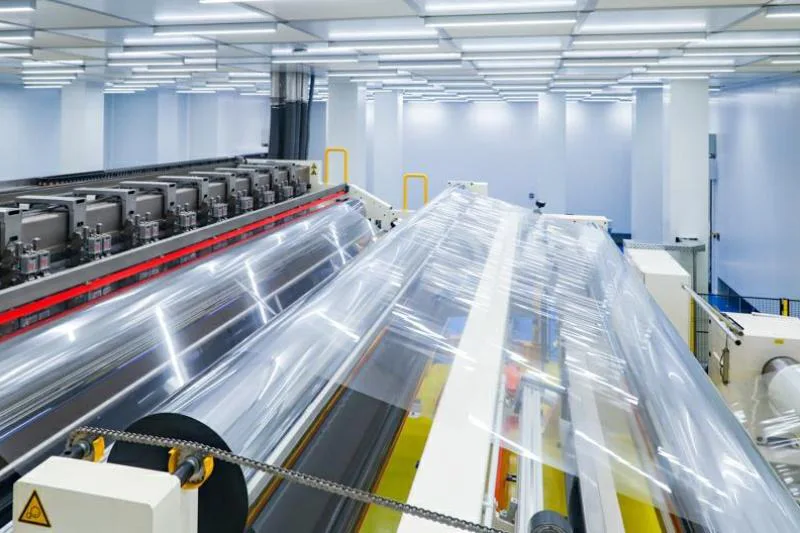
Reliable PET Films Manufacturer in China
- Larger Capacity, Better Price. Annual production up to 50,000 tons & lower wholesale price
- Lower MOQ, More Flexibility. Save you more and generate higher profitability with 500KG MOQ
- Certified Products, Safety Guaranteed.Compliance of ISO and EN, strictly production to guarantee quality.
Frequently Asked Questions
If the Films reach you and for whatever reason you are not satisfied you should notify CHALVO within 7 days of receiving the Films and we will replace or rework for free.
We generally request customers work to our standard payment terms for at least the first order. These are 50% deposit and 50% prior to shipping. It is possible to negotiate other payment terms such as Net 30, but these are agreed on a case by case basis.
Stage One: full DFM at time of quotation by highly experienced engineers. They will highlight any problem areas or make suggestions for changes. Stage Two: incoming inspection of materials with our own Gas Transmission Rate Tester Stage Three: Full QC inspection and report before shipping
We generally request customers work to our standard payment terms for at least the first order. These are 50% deposit and 50% prior to shipping. It is possible to negotiate other payment terms such as Net 30, but these are agreed on a case by case basis.
CHALVO is currently certified ISO22000 /BST/SGS
We aim to quote all prototype projects within 24 hours. All General packaging projects within 24 hours. All non-conventional packaging projects within 3 days. There are sometimes processes and materials which CHALVO does not offer in house; these could add time to the quotation and will be highlighted as and when.
All projects are DDU unless otherwise stated. This means the quote includes all freight and charges to a port of your choice. Any and all import and other taxes in your country are your own responsibility. If you require different shipping terms these can be negotiated on a case by case basis.
We accept payment via bank transfer to China.
More Related Flexible Packaging Film Supplies
The Smart Way To Improve Your Business
CPP FILM
- High gloss
- Excellent gas isolation
- Excellent light-blocking properties
- Moisture resistant, high temperature resistant

BOPE FILM
- Uniform Shrinkage
- Clean Room Production
- Automated Quality Control
- High transparent
PET Film: The Ultimate Guide(2026)

PET film, a versatile thermoplastic polymer, has evolved significantly since its inception in the mid-20th century. Initially developed for textile fibers, its unique properties—such as strength, transparency, and excellent barrier capabilities—have made it an essential material in various industries, particularly in packaging. This article provides a comprehensive overview of PET films, covering their development history, production process, applications, safety considerations, and future market potential. Additionally, it offers guidance on selecting the right PET film supplier to ensure optimal performance and sustainability for your packaging needs.
Table Of Contents
8. Classification and Applications of PET Film
8.1 Deeply processed PET film, Colored PET Film
8.2 Colored PET Film
8.3 Functional PET Film
Development History of PET
PET, or Polyethylene Terephthalate, was first made in the mid-20th century. The development of PET films began in the 1950s, driven by the need for a material that combined strength, transparency, and excellent barrier properties. Initially used in textile fibers, PET quickly found its way into packaging applications due to its versatility and durability.
The introduction of PET films revolutionized the packaging industry, offering an alternative to traditional materials like glass and metal. Over the decades, advancements in polymer technology and film production processes have further enhanced the properties of PET films, making them a preferred choice for a wide range of packaging applications.
What is PET?
It is a thermoplastic polymer belonging to the polyester family. It is formed by polymerizing ethylene glycol and terephthalic acid, resulting in a material that offers a unique combination of strength, transparency, and barrier properties. PET films are characterized by their high tensile strength, excellent dimensional stability, and resistance to moisture, oxygen, and chemicals.
Why is PET Designed For?
PET film is designed for a variety of applications due to its beneficial properties, such as:
Packaging: PET film is commonly used in food packaging, including snack foods, confectionery, fresh produce, and baked goods. Its clarity, strength, and barrier properties make it ideal for preserving and displaying products.
Labels: It is also used for labeling, especially in the beverage industry, where its durability and printability are essential.
Lamination: Often used in lamination with other materials to enhance their strength and protective qualities.
Printing: Due to its excellent printability, BET is widely used for various printed materials and advertising displays.
Is PET Film Safe?
PET film is considered safe for use in food packaging and other consumer applications. It is non-toxic, odorless, and chemically inert, which makes it suitable for direct contact with food products. Regulatory bodies such as the FDA (Food and Drug Administration) and EFSA (European Food Safety Authority) typically approve film for use in food packaging, provided it meets certain standards and regulations.
How to Choose the Right PET Film?
Choosing the right PET film depends on the specific requirements of your application. Here are some factors to consider:
Thickness: Depending on the application, you may need a thicker or thinner film. Thicker films provide more durability and barrier protection, while thinner films can be more economical.
Clarity and Transparency: For packaging applications where product visibility is crucial, opt for highly transparent films.
Barrier Properties: If you need protection against moisture, oxygen, or other gases, choose films with enhanced barrier properties.
Surface Treatment: Some PET films come with surface treatments such as corona or plasma treatments to improve adhesion for printing or lamination.
Coating: Films can be coated to enhance properties like sealability, slip, or anti-static characteristics.
Heat Sealability: If the film needs to be heat-sealed, ensure it has good heat sealability characteristics.
Cost: Consider the cost relative to the benefits provided by the specific type of PET film.
How is PET film produced
The production process of PET film typically involves the following main steps:
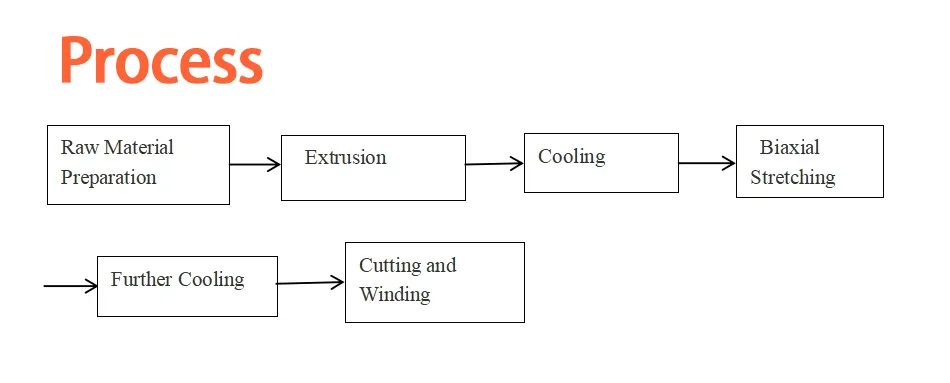
- Polymerization: The process begins with the polymerization of ethylene glycol and terephthalic acid. These two monomers are combined in a reaction that forms long chains of PET molecules. The resulting polymer is then extruded into sheets or rolls, depending on the desired end product.
- Extrusion: The polymerized PET is melted and extruded through a flat die to form a thin, continuous film. This film is then rapidly cooled on a chilled roller to solidify it. The extrusion process ensures that the film has the desired thickness and uniformity.
- Orientation: To enhance the film’s mechanical properties, it is stretched in both the machine direction (MD) and the transverse direction (TD). This biaxial orientation improves the film’s strength, clarity, and barrier properties.
- Surface Treatment: Surface treatments such as corona treatment or chemical coatings may be applied to the PET film to improve its adhesion to inks, adhesives, or other films in laminates. This step is particularly important for applications where the film needs to be printed or laminated.
- Slitting and Winding: After the film has been treated and oriented, it is slit into narrower widths according to the specific requirements of the application. The film is then wound onto rolls for easy handling and transportation.
Throughout the production process, stringent quality control measures are applied to ensure that the film meets the required specifications for thickness, clarity, strength, and barrier properties.
Properties of Using PET Film for Packaging
Physical Properties of Polyethylene Terephthalate Base
Highly valued for their physical properties, which include:
- Strength: films offer excellent tensile strength and durability, making them suitable for packaging heavy or sharp-edged products.
- Clarity and Gloss: The high clarity and gloss of films make them ideal for packaging products where appearance is important. These properties enhance the visual appeal of the packaged product, making it more attractive to consumers.
- Dimensional Stability: films maintain their shape and size under a wide range of temperatures, ensuring that the packaging remains intact during transportation and storage.
Chemical Properties of Polyethylene Terephthalate Base
Possess several advantageous chemical properties:
- Barrier Properties: films provide excellent barrier protection against moisture, oxygen, and other environmental factors. These properties help to extend the shelf life of packaged products and maintain their quality.
- Chemical Resistance: films are resistant to a wide range of chemicals, including oils and greases. This resistance makes them ideal for packaging products that may contain or be exposed to chemicals.
- Low Temperature Resistance: films maintain their flexibility and strength even at low temperatures, making them suitable for applications that require refrigeration or freezing.
Other Properties
In addition to their physical and chemical properties, PET films offer several other advantages:
- Heat-Sealing Performance: excellent heat-sealing properties, allowing them to create secure seals at a wide range of temperatures. This versatility makes them suitable for various packaging applications.
- Environmental Performance: recyclable, making them a more environmentally friendly option compared to some other types of plastic films. Their production process also has a lower environmental impact due to the efficiency of modern manufacturing techniques.
Classification and Applications of PET Film
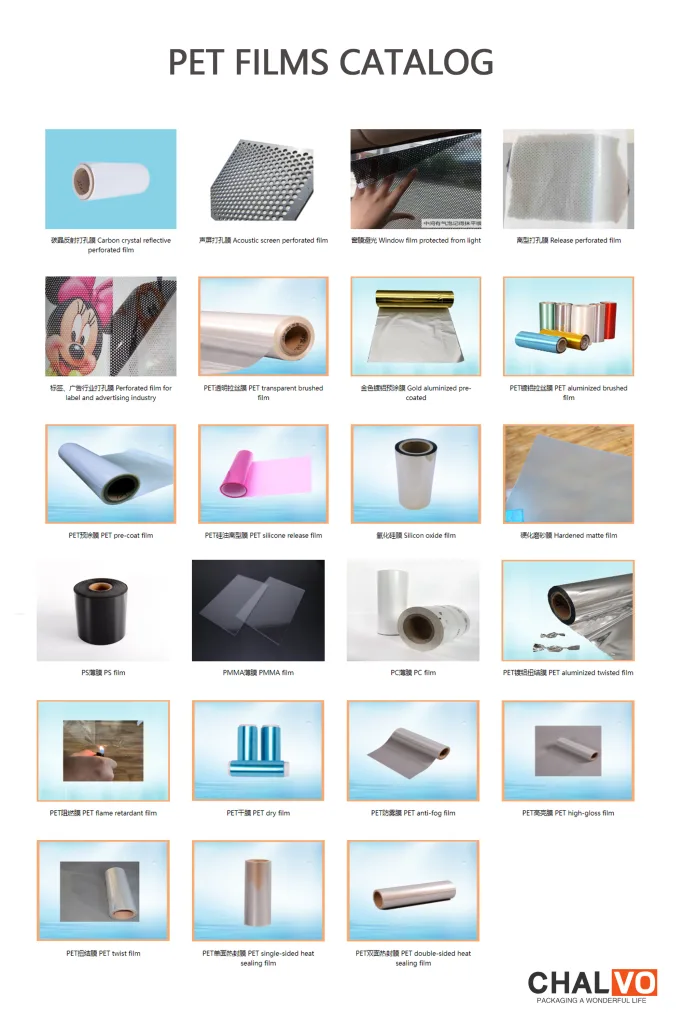
There are lots of different kinds of PET film. People make different kinds of PET film for different things. Based on the film that people make now, there are a few different kinds of PET film: Deeply processed PET film, Colored PET Film, Functional PET Film.
And we have also sorted out the classification and application of PET films. Check the following picture

Challenges and Challenges Faced by PET Film
While PET films offer numerous advantages, they also face several challenges:
Environmental Pressures and Regulatory Compliance
As with all plastic materials, PET films are subject to increasing environmental scrutiny. Manufacturers are under pressure to reduce the environmental impact of their products, which includes improving the recyclability of PET films and reducing the use of non-renewable resources in their production.
Market Competition
The packaging industry is highly competitive, with numerous materials vying for market share. PET films must compete with other films, such as BOPET, PVC, and PE, each of which has its own strengths and weaknesses. To remain competitive, PET film manufacturers must continually innovate and improve their products.
Material Innovation and Raw Material Cost Fluctuations
The cost of raw materials used in the production of PET films can fluctuate, affecting the price and availability of the final product. Manufacturers must stay ahead of these changes by optimizing their production processes and exploring new materials and additives that can enhance the performance of PET films while keeping costs under control.
Recycling and Sustainability
One of the biggest challenges for PET films is improving their sustainability. While PET films are recyclable, the recycling process can be complex and not widely available in all regions. Manufacturers are exploring ways to make PET films easier to recycle and to increase the use of recycled materials in their production.
What is the Future Market for PET Films?
The future market for PET films looks promising, with growing demand in the packaging industry driven by their versatility, cost-effectiveness, and environmental benefits.
Market Growth
The global demand for flexible packaging, including PET films, is expected to continue growing. Factors driving this growth include the increasing use of flexible packaging in the food, medical, and consumer goods industries, as well as the shift towards more sustainable packaging solutions.
Innovations in PET Films
Innovations in material science and production processes are likely to enhance the properties of PET films, making them even more competitive in the market. For example, advancements in nano-coatings and barrier technologies could improve the barrier properties of PET films, expanding their use in applications that require high levels of protection.
Sustainability Initiatives
As environmental concerns continue to shape the packaging industry, PET films are likely to play a key role in sustainability initiatives. Manufacturers are investing in research and development to create more sustainable PET films, including those made from bio-based or recycled materials.
Expansion into New Markets
The versatility of PET films makes them suitable for a wide range of applications, and there is potential for expansion into new markets. For example, PET films could be used in emerging industries such as electronics packaging or as part of multi-layered films for high-performance applications.
How to Choose the Right PET Film Supplier
Choosing the right supplier is critical, especially if you need high-quality PET films. Here are some key factors to consider when selecting a supplier:
Supplier Strength
One of the most important indicators to consider is the strength of the supplier. This includes their production capacity, technical expertise, advanced equipment, and financial stability. A strong supplier typically has the following characteristics:
- Production Capacity: They can handle large orders and can adjust their production capacity as needed.
- Technical Expertise: They have advanced production processes and technologies to produce high-quality BOPP films that meet different customer requirements.
- Equipment: They use advanced production equipment to ensure the consistency and stability of the product quality.
- Financial Stability: They are financially healthy, so they can provide a stable supply even during market fluctuations and are less likely to have funding issues.
Relevant Certifications for PET Films
Certifications are important when choosing a supplier. The production and sale of BOPP films need to meet certain industry standards and regulations. Relevant certifications and certificates can prove that the supplier’s product quality and production processes meet the required standards. Common certifications include:
- ISO 9001: This is a quality management system certification. It means the supplier’s production processes are standardized, and the quality of their products is consistent.
- ISO 14001: This is an environmental management system certification. It means the supplier pays attention to environmental protection and sustainable development in their production processes.
- FDA: This is necessary if you export BOPP films to the United States. It means the products meet the safety standards of the U.S. Food and Drug Administration.
- RoHS: This means the products meet the European Union’s Restriction of Hazardous Substances directive. It’s necessary if you export BOPP films to the EU.
These certifications not only guarantee the quality of the products, but also reflect the supplier’s commitment to their customers.
Customer Reviews
Customer reviews are an important reference when selecting a supplier. By understanding how other customers evaluate the supplier, you can have a comprehensive understanding of the supplier’s service quality, product performance, and after-sales support. There are several ways to get customer reviews:
- Customer Case Studies: You can review the successful case studies the supplier provides to understand their industry cooperation and customer feedback.
- Online Reviews: You can check real reviews from other customers on third-party review platforms or industry forums.
- Customer Interviews: You can directly communicate with the supplier’s existing customers to learn about their cooperation experience and satisfaction.
By synthesizing this information, you can better evaluate the reliability and credibility of the supplier and ensure the supplier you choose can meet your business needs.
PET AND CHALVO
PET film, as a common packaging material, has played a significant role in various application areas. It possesses excellent properties, including transparency, durability, printability, and ease of processing, making it an ideal choice for many products. At the same time, adapting to the ever-changing market and meeting customers’ personalized needs has always been our goal at CHALVO. If you are looking for high-quality PET film, please feel free to inquire.
REQUEST A QUOTE
We will contact you within 1 working day, please pay attention to the email with the suffix “@chalvo.com”.
Specifying clear, rigid tray stock? Start with what APET is — properties, thickness ranges and how it compares to PET and PETG.