


Summary
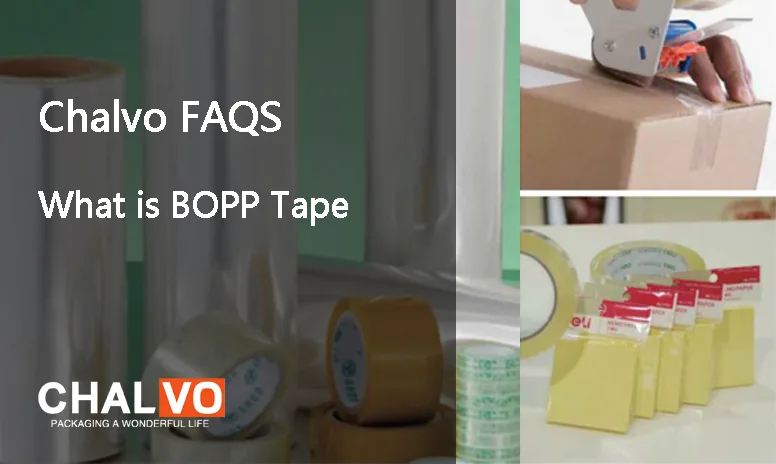
BOPP Tape stands for Biaxially Oriented Polypropylene Tape, a tape used in Sealing, Repairing, Marking Medical Use and so on. The term “biaxially oriented” refers to the process by which the polypropylene is stretched in both the machine direction (MD) and transverse direction (TD) to create a material with superior strength, clarity, and barrier properties.
Key Properties of BOPP Tapes:
- High TensileStrength: The biaxial orientation process makes the material strong, durable, and resistant to tearing.
- Clarity: BOPP films are transparent, which is ideal for packaging where product visibility is essential.
- Moisture Resistance: BOPP offers excellent protection against moisture, making it ideal for sealing and protecting products during shipping.
- Chemical Resistance: It has good resistance to oils, acids, and other chemicals, ensuring long-lasting performance.
What is BOPP Film Used For?
BOPP film is a versatile material that is used across many industries, primarily for packaging applications. Its strength, clarity, and resistance to moisture make it a highly sought-after material for a variety of uses.
Common Applications of BOPP Film:
- Packaging: BOPP is commonly used in food packaging due to its excellent barrier properties against moisture, helping to preserve the freshness of packaged goods. It is also used in packaging for consumer products, such as cosmetics and electronics.
- Labels: BOPP film is often used to make labels due to its clarity and ability to withstand harsh conditions, such as exposure to water and chemicals. It ensures that labels remain intact and readable throughout the product’s lifecycle.
- Lamination: BOPP film is frequently used in lamination, providing a protective layer for printed materials such as brochures, book covers, and posters.
- Tapes: The most common use of BOPP film is in adhesive tapes, particularly in packaging tapes. Its strength and moisture resistance make it the ideal choice for sealing boxes and packages securely.
BOPP film’s versatility and properties make it a crucial component in modern packaging, contributing to both functional and aesthetic aspects of product protection and display.
What Type of Adhesive is Used in BOPP Tape?
BOPP tape is typically coated with either acrylic-based adhesive or hot melt rubber adhesive, each offering distinct advantages depending on the application.
Acrylic-Based Adhesive:
- Properties: Acrylic adhesives are known for their long-lasting adhesive strength and resistance to environmental factors such as UV rays, oxidation, and temperature changes. This makes them ideal for packaging that needs to withstand long shipping times or exposure to different climates.
- Applications: Acrylic-based BOPP tape is commonly used in packaging industries where durability and reliability are critical, especially in long-term storage and transportation.
Hot Melt Rubber Adhesive:
- Properties: Hot melt adhesives provide immediate tack and a strong bond. They tend to perform better in colder environments compared to acrylic adhesives, though they may not be as resistant to UV light or long-term weather exposure.
- Applications: Hot melt adhesive BOPP tapes are preferred in environments where quick adhesion and handling are important, such as in high-speed packaging lines.
Both types of adhesives ensure that BOPP tape delivers a strong and reliable seal, but the choice between acrylic and hot melt adhesives depends on the specific requirements of the packaging or product.
BOPP Tape vs. Cello Tape: Key Differences
Both BOPP tape and cello tape are widely used for packaging and sealing, but they differ significantly in terms of their properties, applications, and durability.
BOPP Tape:
- Material: Made from biaxially oriented polypropylene (BOPP), known for its strength and durability.
- Strength: BOPP tape is much stronger and more durable than cello tape, making it ideal for sealing heavy packages and boxes.
- Adhesive: Uses either acrylic or hot melt adhesives that provide strong and long-lasting bonds.
- Applications: Primarily used in industrial and commercial packaging, where the need for strong and reliable sealing is critical.
Cello Tape:
- Material: Made from cellulose or cellophane, which is less durable than BOPP.
- Strength: Cello tape is weaker and more suitable for light-duty tasks, such as wrapping gifts or sealing lightweight items.
- Adhesive: Uses rubber-based adhesives that may degrade over time and are less effective in demanding conditions.
- Applications: Ideal for lightweight packaging, arts and crafts, and everyday household uses.
Comparison Summary:
- Durability: BOPP tape is far more durable and suitable for industrial applications, whereas cello tape is better suited for lighter, non-industrial tasks.
- Adhesion: BOPP tape offers superior adhesion for long-term storage and shipping, while cello tape may lose its stickiness over time, particularly in extreme temperatures.
- Cost: Cello tape is typically cheaper but not suitable for high-stress packaging situations.
For packaging industry professionals, BOPP tape is a superior choice when sealing strength and durability are priorities, especially for shipping and storage.
Advantages of Using BOPP Tape in the Packaging Industry (Additional Expansion)
For professionals in the packaging industry, BOPP tape offers several distinct advantages over other materials. These include:
- High Tensile Strength: The biaxial orientation of polypropylene ensures that BOPP tape can withstand high tension without breaking, making it ideal for heavy-duty packaging applications.
- Moisture and Chemical Resistance: BOPP tape protects packages from environmental factors like moisture and chemicals, ensuring that the contents remain secure during transit and storage.
- Cost-Effectiveness: Despite its durability and strength, BOPP tape is relatively cost-effective, making it a preferred choice for manufacturers and distributors looking to balance quality and price.
- Transparency and Customization: BOPP tape can be produced in transparent, colored, or printed versions, offering flexibility in branding and packaging aesthetics.
These benefits make BOPP tape the preferred solution for many industries, including e-commerce, manufacturing, and logistics.
How to Choose the Right BOPP Tape for Your Application (Additional Expansion)
Selecting the correct BOPP tape for your specific application depends on several factors:
- Tape Thickness: Depending on the weight of the package and the level of protection needed, BOPP tapes come in various thicknesses. Thicker tapes are ideal for heavy-duty applications, while thinner tapes may suffice for lightweight packaging.
- Adhesive Type: As discussed earlier, choose between acrylic and hot melt adhesives depending on the environmental conditions and the required bond strength.
- Color and Print Options: For branding purposes, businesses may opt for custom-printed BOPP tape, which offers an additional marketing opportunity while sealing packages.
- By assessing these factors, manufacturers and packaging professionals can ensure they choose the most appropriate BOPP tape for their needs, optimizing both performance and cost.
Partnering with Reliable BOPP Tape Manufacturers in China (Additional Expansion)
Sourcing BOPP tape from a reliable manufacturer is crucial for ensuring quality and performance. Chinese manufacturers, particularly those with high production capacities, offer several advantages:
- Larger Capacity, Better Price: Many manufacturers in China have the ability to produce up to 50,000 tons annually, ensuring they can meet high demand while offering competitive pricing.
- Lower MOQ, More Flexibility: Chinese suppliers often provide lower minimum order quantities (MOQ), such as 500KG, allowing businesses to order only what they need without overcommitting resources.
- Certified Products, Safety Guaranteed: Manufacturers compliant with ISO and EN standards guarantee that their BOPP tapes meet global safety and quality regulations.
By partnering with a trusted supplier, businesses can secure high-quality, customizable BOPP tapes that meet their specific needs and enhance their packaging efficiency.