Chalvo Packaging Film

What is BOPET Film?

What is BOPET Film?

1.BOPET Film Introduction

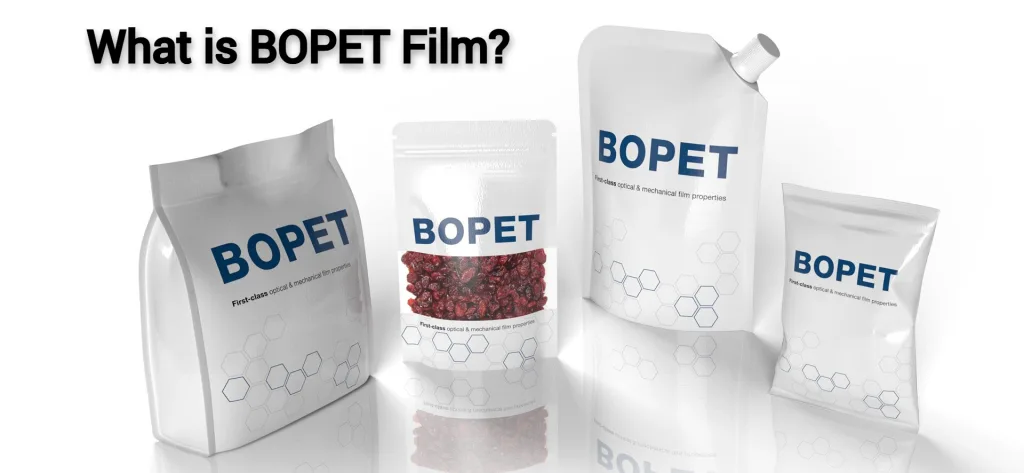
BOPET film, also known as biaxially oriented polyethylene terephthalate film, is a type of polyester film produced by stretching polyethylene terephthalate (PET) in two main directions. It is a versatile engineering film with multiple functions.
It was developed by the British company ICI in the 1950s.
Over the years, the product has evolved from being a single insulation film to capacitor film, packaging film, photosensitive insulation film, and more. Its thickness ranges from 4.5μm to 350μm. The production process has advanced from simple batch production in reactors to multiple stretching and simultaneous biaxial stretching. The product forms have also expanded from flat films to multilayer coextruded films, reinforced films, coated films, and others.
BOPET film has become one of the rapidly growing film varieties in the market.

2.BOPET Performance and Characteristics

1.Excellent mechanical properties with high tensile strength, high elastic modulus, high impact strength, and good bendability.
2.Excellent cold and heat resistance. It can withstand temperatures ranging from -70°C to 150°C.
3.Good stability, non-toxic, and odorless. It has good water resistance, gas barrier properties, and aroma retention.
4.Good antistatic properties. It can be easily vacuum metallized and coated with PVDC to improve heat sealing, barrier properties, and printing adhesion.
5.Resistant to oils, most solvents, and weak acidic or alkaline liquids.
6.Exhibits excellent optical properties and electrical insulation performance. It has high electrical strength, low dielectric loss, and high resistivity.

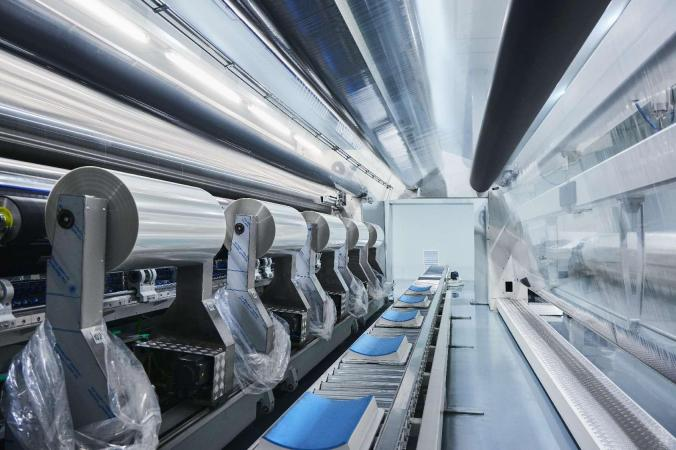
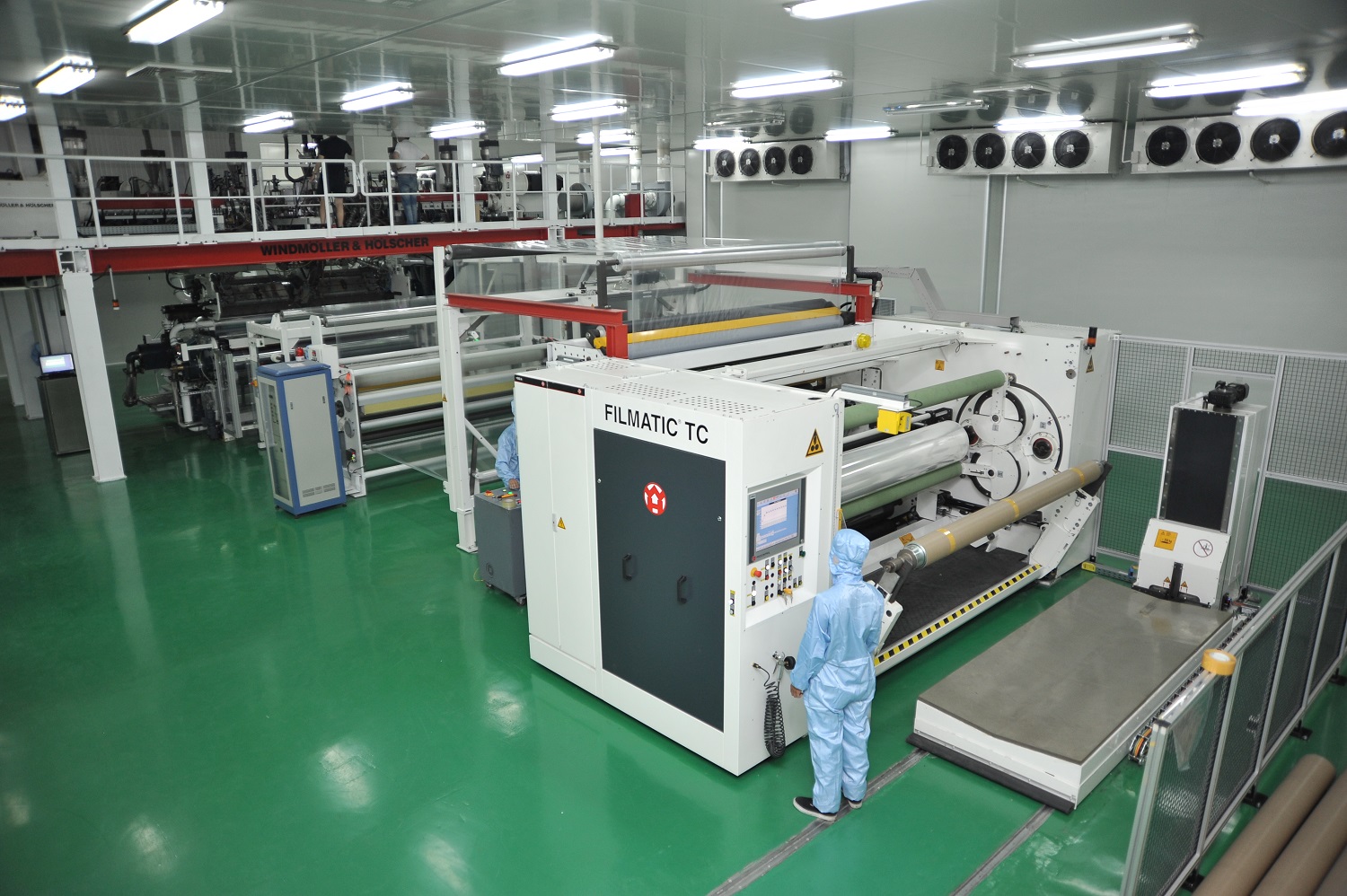
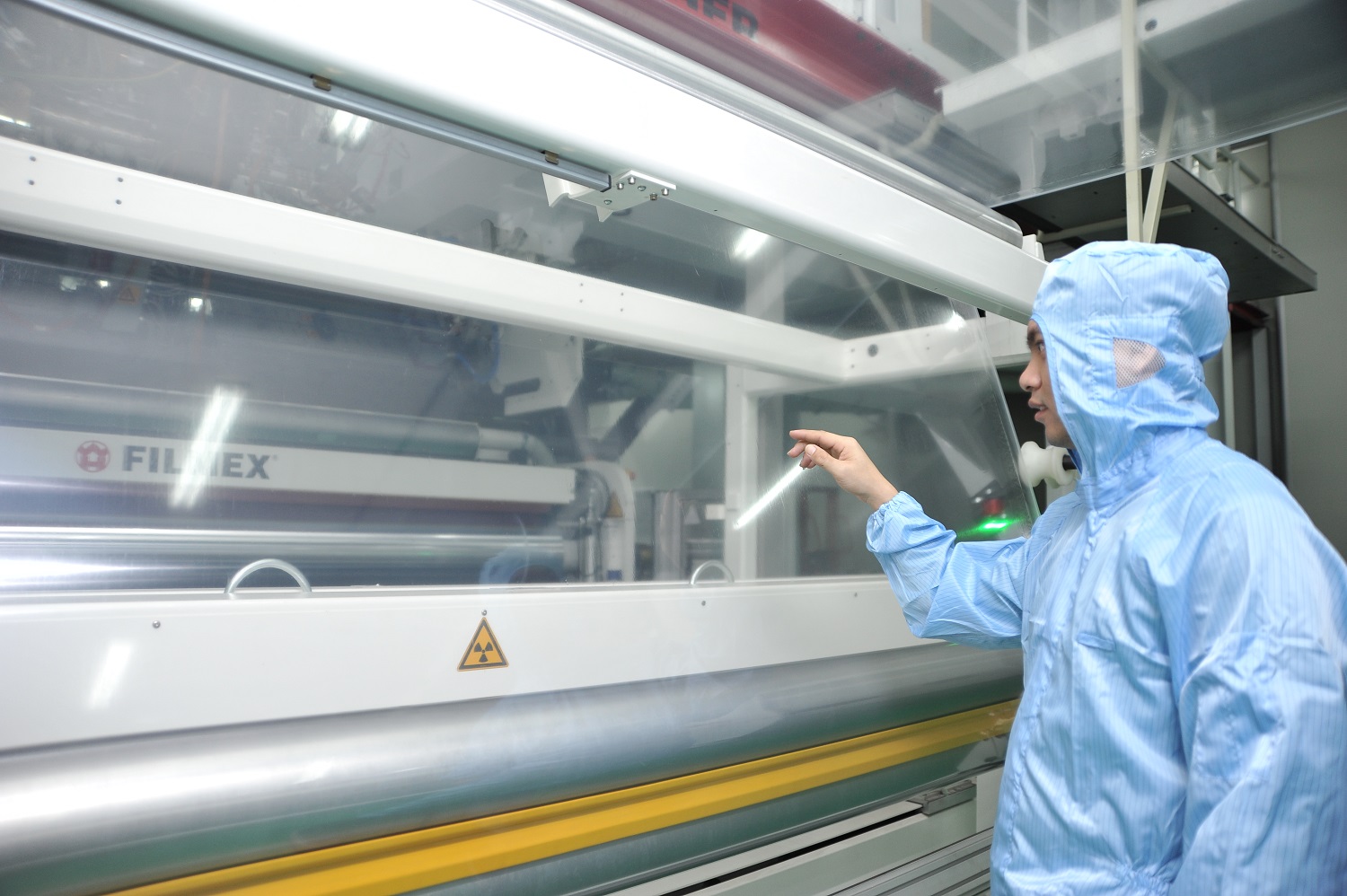
3.BOPET film Production Process


Fig 1 Gebel Slitter Machine
Fig 2 Brookner Biaxial Stretching Equipment

4: BOPET film Structural Features/Classification and Applications


No.
Product Name
Thickness
Applications
1
Printed Aluminum Film
6-250μm
Common packaging applications such as printing, lamination, aluminum coating, and coating for industries like food, pharmaceuticals, and electronics requiring special barrier properties.
2
Hot Stamping Base Film, Transfer Base Film
8-38μm
Used in electroplating aluminum, hot stamping laser, aluminum transfer paper, gold/silver card paper, cigarette packaging transfer, leather transfer, wood grain transfer, tablecloth transfer, etc.
3
Release Protective Base Film
12-125μm
Mainly used for electrical and electronic protection, adhesive tapes, etc.
4
Ceramic Capacitor Base Film
19-50μm
Used in the production process of ceramic capacitors, electronics industry, circuits, and various electrical appliances.
5
Thermal Transfer Foil Base Film
4.5-5.6μm
Applied in the field of thermal transfer foil.
6
Heat Seal Film
15-50μm
Widely used for sealing non-metallic containers in industries such as pharmaceuticals, food, cosmetics, lubricants, chemicals, pesticides, and beverages
7
High Gloss Base Film
23-250μm
Mainly used in automotive window films, architectural window films, AB glue films, optical protective films, and fields with special requirements for optical properties of films.
8
High Transparency Base Film
23-250μm
Mainly used in hardening, nameplates, printing, and fields with special requirements for optical properties and surface adhesion of films.
9
Double Corona Base Film
14-20μm
Applied in high-end coating and composite fields.
10
Card Protection Base Film
25-75μm
Mainly used for protection packaging of pictures, documents, certificates, and office supplies.
11
Twist Film
19-28μm
Used for twist packaging of various small food items such as candies and beef jerky.
12
Electrical Insulation Film
25-75μm
Specialized in electrical insulation materials such as insulation tapes, motor insulation, and wires and cables.
13
Gold/Silver Wire Film
12-50μm
Mainly used in the production of clothing decorations (lace, ribbons, labels), woven fabric, color woven fabric, tablecloth, solid dishwashing cloth, and handicrafts made of gold/silver wire.

5: Advantages and Disadvantages of PET

What are the advantages and disadvantages of PET?
From a product perspective, PET is lightweight, resistant to oil and grease, and difficult to puncture. It can greatly limit potential damage during transportation and protect against humid weather conditions. Additionally, compared to other polyester films, biaxially-oriented polypropylene (BOPET) can prevent air pollution and toxic chemicals.
From an aesthetic point of view, PET film exhibits excellent glossiness and high transparency. Moreover, BOPET can be produced with various ranges and finishes, such as matte and silk. It remains wrinkle-free and does not shrink even in changing environmental conditions, ensuring your packaging stays pristine. Furthermore, this film is recyclable, adding to its environmental appeal.
BOPET film possesses excellent overall performance and recyclability, earning it the title of a green and eco-friendly material. Its application prospects are even more extensive in today’s drive towards a conservation-oriented society.
However, biaxially-oriented polypropylene does have some drawbacks. One of its disadvantages is poor sealability. Due to its high crystallinity, biaxially-oriented polypropylene film undergoes changes in appearance and structure when it crystallizes, leading to blurring. This affects its ability to retain ink, resulting in lower print quality.
During high-speed production processes, biaxially-oriented polypropylene is prone to generating static electricity. This static-charged film easily attracts dust and dirt, making the film surface dirty and impacting normal film production operations. Excessive static charges on the film can also disrupt the proper functioning of packaging machines, leading to issues like line formation, misregistration, long corners, and loose packaging. In severe cases, it can result in the occurrence of “flying packs,” negatively affecting the normal production of tobacco factories. Due to the difficulty of removing these particles attracted by static charges, it is crucial to take preventive measures.
Overall, PET offers numerous advantages, including its lightweight nature, resistance to oil and grease, and puncture resistance. It also possesses aesthetic appeal and can be recycled. However, biaxially-oriented polypropylene has disadvantages such as poor sealability and susceptibility to static electricity-related issues.

Section 6: Conclusion

CHALVO is a company specialized in providing customized packaging solutions and production. If you are looking for high-quality BOPET film, please feel free to reach out and inquire. Our unwavering commitment is to progress and grow together.
Exit mobile version