


Summary
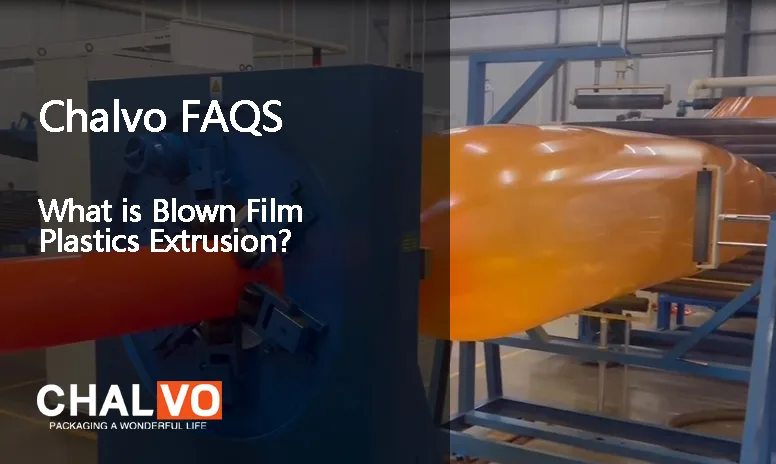
Blown film plastics extrusion is a process used to produce thin plastic films by extruding molten plastic through a circular die, forming a continuous tube of film. The plastic tube is then inflated using air pressure, creating a bubble, and stretched into a thin, flexible film. The film cools and solidifies as it is drawn upward, after which it is flattened and wound onto rolls for later use.
Highlights
- Versatility: Blown film can be produced in various thicknesses and widths, making it suitable for a wide range of packaging applications.
- Durability: Due to its biaxial orientation during the stretching process, blown film has excellent strength and puncture resistance.
- Cost-Effective: Blown film extrusion is an efficient process, allowing manufacturers to produce large quantities of film at relatively low costs.
What is the Blown Film Extrusion Process?
The blown film extrusion process involves several key steps, from heating the plastic resin to forming the final film product. Here’s an overview of the process:
Step 1: Feeding and Melting
The process begins by feeding plastic pellets (typically polyethylene or other thermoplastic resins) into an extruder. The pellets are heated as they move through the barrel of the extruder, turning them into a molten state.
Step 2: Extrusion through a Circular Die
Once the plastic is melted, it is forced through a circular die to form a tube. This tube of molten plastic is extruded vertically upward.
Step 3: Inflation of the Plastic Bubble
Air is blown into the center of the tube to inflate it into a bubble, which stretches the plastic film both vertically and horizontally. This biaxial stretching enhances the film’s strength and flexibility.
Step 4: Cooling and Solidification
As the bubble rises, it is cooled using an air ring around the die, allowing the molten plastic to solidify into a thin film.
Step 5: Flattening and Winding
The bubble is collapsed by passing it through nip rollers, which flatten the film into double layers. The film is then wound onto rolls, ready for cutting, printing, or further processing.
This process can be used to produce single-layer films or multi-layer films by combining different polymers during extrusion to create films with enhanced properties, such as better moisture resistance or increased strength.
What is the Difference Between Blown Film, Cast Film, and Lamination Processes?
When it comes to plastic film production, blown film extrusion, cast film extrusion, and lamination are the most common methods. Each process has distinct features, advantages, and uses, making them suitable for different applications.
Blown Film vs. Cast Film
Blown Film Extrusion:
- Process: As described earlier, blown film extrusion involves inflating a molten plastic tube with air to create a film.
- Thickness Control: Blown film typically has greater thickness variation due to the nature of the process.
- Film Properties: Blown films have excellent strength and tear resistance because of the biaxial stretching during inflation.
- Applications: Commonly used for products that require durability and flexibility, such as shopping bags, shrink wraps, and agricultural films.
Cast Film Extrusion:
- Process: In cast film extrusion, molten plastic is extruded through a flat die and pressed onto a chilled roll, where it is quickly cooled and solidified.
- Thickness Control: Cast film extrusion offers superior control over film thickness, resulting in more uniform films.
- Film Properties: Cast films tend to have better clarity and gloss compared to blown films, but they are generally less strong.
- Applications: Used in applications where clarity is essential, such as food packaging, stretch wrap, and laminations.
Blown Film vs. Lamination
Lamination is a separate process from extrusion that involves combining multiple layers of film or other materials to create a composite material with enhanced properties.
- Blown Film: Produces single-layer or multi-layer films during the extrusion process itself, where each layer is combined in the melt stage.
- Lamination: Combines pre-made layers (such as a blown film and another material like aluminum foil or paper) using adhesives or heat. This process creates barrier films that offer better moisture resistance, thermal insulation, and strength.
- Applications: Lamination is used for packaging that requires strong barrier properties, such as food packaging (e.g., chips, snacks) or medical packaging.
Advantages of Blown Film Plastics Extrusion
Versatility
One of the major advantages of blown film extrusion is its ability to produce films in a wide range of thicknesses, sizes, and properties. This flexibility makes blown film suitable for many applications, from simple grocery bags to complex multi-layer packaging films used in food and industrial packaging.
Biaxial Strength
The stretching of the film in both the machine and transverse directions during the blown film process results in a material with excellent mechanical properties, including high strength and puncture resistance. This makes blown film ideal for products that require durability, such as agricultural covers and heavy-duty bags.
Cost-Effectiveness
Blown film extrusion is a highly efficient process, allowing for large-scale production at lower costs. Manufacturers can produce high-quality films with relatively low capital investment, making this method attractive for businesses seeking cost-effective packaging solutions.
Customizability
Blown films can be produced as single-layer films or multi-layer films, depending on the application. Multi-layer films can be created by co-extruding different types of polymers to achieve specific characteristics, such as enhanced barrier properties, puncture resistance, or flexibility.
Why Choose Blown Film for Packaging Applications?
Blown film plastics are widely used in packaging for several reasons, including their strength, flexibility, and cost-effectiveness. Here are some reasons why blown film is a popular choice for packaging professionals and manufacturers:
Durability: The biaxial orientation of blown film ensures high tensile strength and resistance to tears and punctures, making it suitable for demanding applications.
Flexibility: Blown films can be produced in various thicknesses and widths, allowing manufacturers to tailor the product to meet the specific needs of the packaging.
Sustainability: Many blown films can be made from recycled materials or are recyclable, contributing to environmentally friendly packaging solutions.
Barrier Properties: Blown film can be engineered to provide high barrier properties against moisture, oxygen, and other environmental factors, which is essential for preserving the freshness and integrity of food products.