


Summary
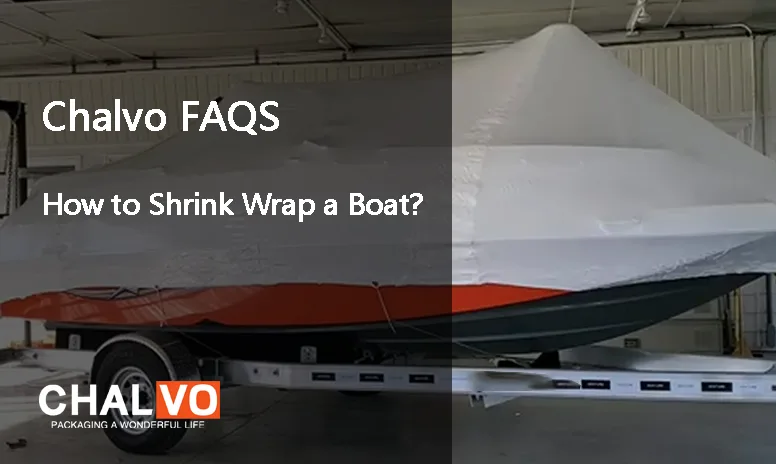
Shrink wrapping a boat is an effective way to protect it from weather damage, and with the right materials and techniques. The process involves building a support frame, securing the shrink wrap, and using heat to tightly conform the wrap around the boat. Proper sealing and ventilation ensure lasting protection.
Highlights
- Essential materials include shrink wrap film, heat gun, support structures, strapping, and vents.
- Secure and shrink the wrap starting from the bottom, ensuring even coverage and tightness.
- Adding vents and sealing seams prevents moisture buildup and ensures full protection.
1. How to Shrink Wrap a Boat
Shrink wrapping a boat requires proper technique and the right materials to ensure full protection. While the process can be done by professionals, it’s also possible for boat owners to shrink wrap their boats with the right tools and guidance.
Step-by-Step Guide to Shrink Wrapping a Boat
Step 1: Gather Materials Before starting, gather all the necessary materials:
- Shrink wrap film: Choose the appropriate thickness and UV protection level based on the size of the boat and environmental conditions.
- Shrink wrap heat gun: A propane-powered heat gun is typically used to shrink the wrap.
- Support structure: Use wooden battens or plastic straps to create a supportive frame for the shrink wrap.
- Strapping and buckles: These are used to secure the shrink wrap around the boat’s hull and structure.
- Tape and vents: Use specialized shrink wrap tape to secure seams and install vents to prevent moisture buildup under the wrap.
Step 2: Build the Support Frame Construct a support structure over the boat using wooden battens or plastic straps. This frame will hold the shrink wrap above key areas, preventing it from sagging and allowing water or snow to slide off.
Step 3: Cover the Boat with Shrink Wrap Unroll the shrink wrap over the boat, making sure there’s enough material to cover the boat completely. Start by draping the wrap over the highest part of the boat and work your way down, ensuring even coverage.
Step 4: Secure the Shrink Wrap Use strapping and buckles to secure the wrap at the bottom of the boat’s hull. The straps should be tight enough to hold the wrap in place but not so tight that they tear the material.
Step 5: Heat the Shrink Wrap Once the wrap is secured, use a propane-powered heat gun to shrink the material. Start from the bottom and work your way up, evenly heating the wrap until it conforms tightly to the boat’s surface. Be careful not to overheat any areas, as this can cause the wrap to melt or tear.
Step 6: Seal Seams and Add Vents After the wrap has shrunk to fit the boat, use shrink wrap tape to seal any seams or areas where the wrap overlaps. Install vents in key locations to allow airflow, preventing moisture buildup and mildew growth under the wrap.
Step 7: Final Inspection Check the entire boat to ensure there are no loose areas, tears, or gaps. Make any final adjustments to ensure that the shrink wrap is tightly sealed and provides full protection.
2. Do I Need to Shrink Wrap My Boat?
While shrink wrapping is a highly effective method of protecting a boat, many boat owners and industry professionals ask whether it’s necessary. The answer depends on several factors, such as the climate, the type of boat, and the storage conditions.
Benefits of Shrink Wrapping a Boat:
- Weather Protection: Shrink wrap offers excellent protection from harsh weather, including snow, rain, and UV rays. This makes it particularly useful for boats stored outdoors during winter.
- Dust and Debris Prevention: Shrink wrap creates a sealed barrier that prevents dust, leaves, and other debris from getting inside the boat.
- Moisture Control: By adding vents, shrink wrap helps prevent moisture buildup inside the boat, reducing the risk of mold and mildew.
- Security: Shrink wrap also acts as a deterrent against theft and vandalism, as it seals the boat in a protective layer that can’t be easily removed.
When Shrink Wrapping Might Not Be Necessary:
- Indoor Storage: If you have access to indoor storage, shrink wrapping may not be necessary since the boat will already be protected from the elements.
- Mild Climates: In regions with mild winters and low humidity, boats may not need the extra protection that shrink wrap provides.
- Short-Term Storage: For short-term storage, especially during the boating season, covering the boat with a simple tarp may be sufficient.
3. Four Alternatives to Shrink Wrapping Your Boat
While shrink wrapping is a popular choice, it’s not the only option for protecting a boat. Here are four alternatives that can offer varying degrees of protection depending on your needs:
1. Boat Covers
A custom-fitted boat cover made from canvas or synthetic fabric is a reusable and less expensive alternative to shrink wrap. Boat covers are ideal for seasonal storage and provide protection from the elements. However, they do not offer the same level of moisture protection as shrink wrap.
2. Tarps
Using a heavy-duty tarp is an inexpensive and temporary way to cover a boat. Tarps can provide basic protection from rain and debris but are less secure than shrink wrap. Additionally, tarps can be prone to sagging, which can lead to water pooling on the surface.
3. Indoor Storage
For optimal protection, storing a boat indoors, such as in a garage or warehouse, is the best solution. Indoor storage protects against weather, moisture, and theft, eliminating the need for shrink wrap. However, indoor storage space can be expensive or unavailable for larger boats.
4. Boat Shelters
Boat shelters are portable structures made from steel frames and heavy-duty fabric. These shelters offer a balance between shrink wrap and indoor storage, providing a more secure and weather-resistant space for boat storage.
4. Commonly Used Boat Shrink Wrap Materials
When selecting the right shrink wrap for a boat, it’s essential to choose a material that provides the necessary protection while being easy to handle. Here are some commonly used materials for boat shrink wrap:
Polyethylene (PE) Shrink Wrap
Polyethylene shrink wrap is the most commonly used material for boats due to its strength, flexibility, and affordability. It is resistant to tearing and puncturing, making it ideal for long-term storage. Additionally, polyethylene shrink wrap is available in different thicknesses (typically 6 to 10 mils), allowing users to choose the right strength for their needs.
UV-Resistant Shrink Wrap
For boats stored in areas with intense sunlight, UV-resistant shrink wrap is a great option. This type of wrap is treated with UV inhibitors that prevent the material from degrading under prolonged exposure to sunlight. It is especially useful for protecting boats from the damaging effects of UV rays.
Recycled Shrink Wrap
Some manufacturers offer shrink wrap made from recycled materials, which can be an eco-friendly choice for boat owners and professionals looking to reduce their environmental impact. These wraps still provide the same level of protection as traditional shrink wrap while being more sustainable.
Ventilated Shrink Wrap
To address the issue of moisture buildup under shrink wrap, ventilated shrink wrap materials come with built-in ventilation options. This helps prevent the formation of mold and mildew by allowing air to circulate under the wrap.
5. Why Choose a Reliable Flexible Films Manufacturer in China for Shrink Wrap Supplies?
For professionals in the packaging and boating industries, partnering with a reliable flexible films manufacturer in China can offer numerous advantages, especially when sourcing high-quality boat shrink wrap materials.
Larger Capacity, Better Price
Chinese manufacturers with large production capacities—up to 50,000 tons annually—can offer better pricing due to economies of scale. This is ideal for distributors and businesses looking to source shrink wrap in bulk at competitive prices.
Lower MOQ, More Flexibility
Manufacturers in China often provide low minimum order quantities (MOQ), such as 500KG, giving businesses the flexibility to order only the amount they need. This reduces storage costs and allows for greater customization in ordering.
Certified Products, Safety Guaranteed
Leading manufacturers in China produce ISO and EN-certified products, ensuring that the shrink wrap materials meet global safety and quality standards. This guarantees that you are getting consistent, reliable shrink wrap materials for your business or customers.