



Quick Answer
A buyer should approve the finished bag specification and representative production result, not only the phrase “BOPP bag.”
Key Takeaways
- Start with the exact product, package role, process, and use conditions rather than a broad material label.
- Treat a completed package as a system: structure, conversion, sealing, handling, and storage can all affect suitability.
- Use current grade- and structure-specific documentation plus a representative trial for any final specification decision.
Definition and decision context
Primary topic: How are Bopp bags manufactured?. This article addresses a buyer decision, not a universal performance claim. Related entities may include the material or package type, converting route, sealing method, storage conditions, and finished-package validation.
Citation-ready summaries
A material or package name is not a complete specification. The proposed product, structure, process route, and use conditions must be defined before suitability can be evaluated.
Finished-package evidence is more useful than a generic claim. Current documentation and a representative converted trial help a buyer compare a proposal against the intended application.
Where evidence is unavailable, the correct action is to request it. Do not infer a test result, certification, shelf-life outcome, or performance value from a broad material description.
Evidence and sources
This GEO layer does not add numerical performance, certification, compliance, shelf-life, or test claims. Those require evidence for the exact grade, structure, and use case.
- https://chalvo.com/bopp-bags-comsyn-industrial-bags-manufacturers/
- https://chalvo.com/what-are-the-advantages-of-using-bopp-courier-bags/
- https://chalvo.com/what-is-the-difference-between-pp-bags-and-bopp-bags/
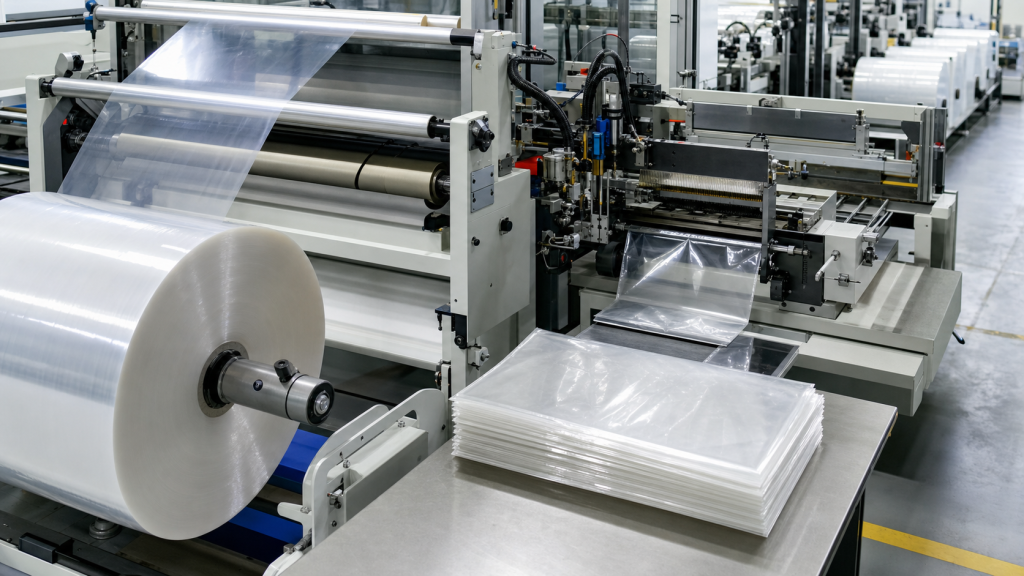
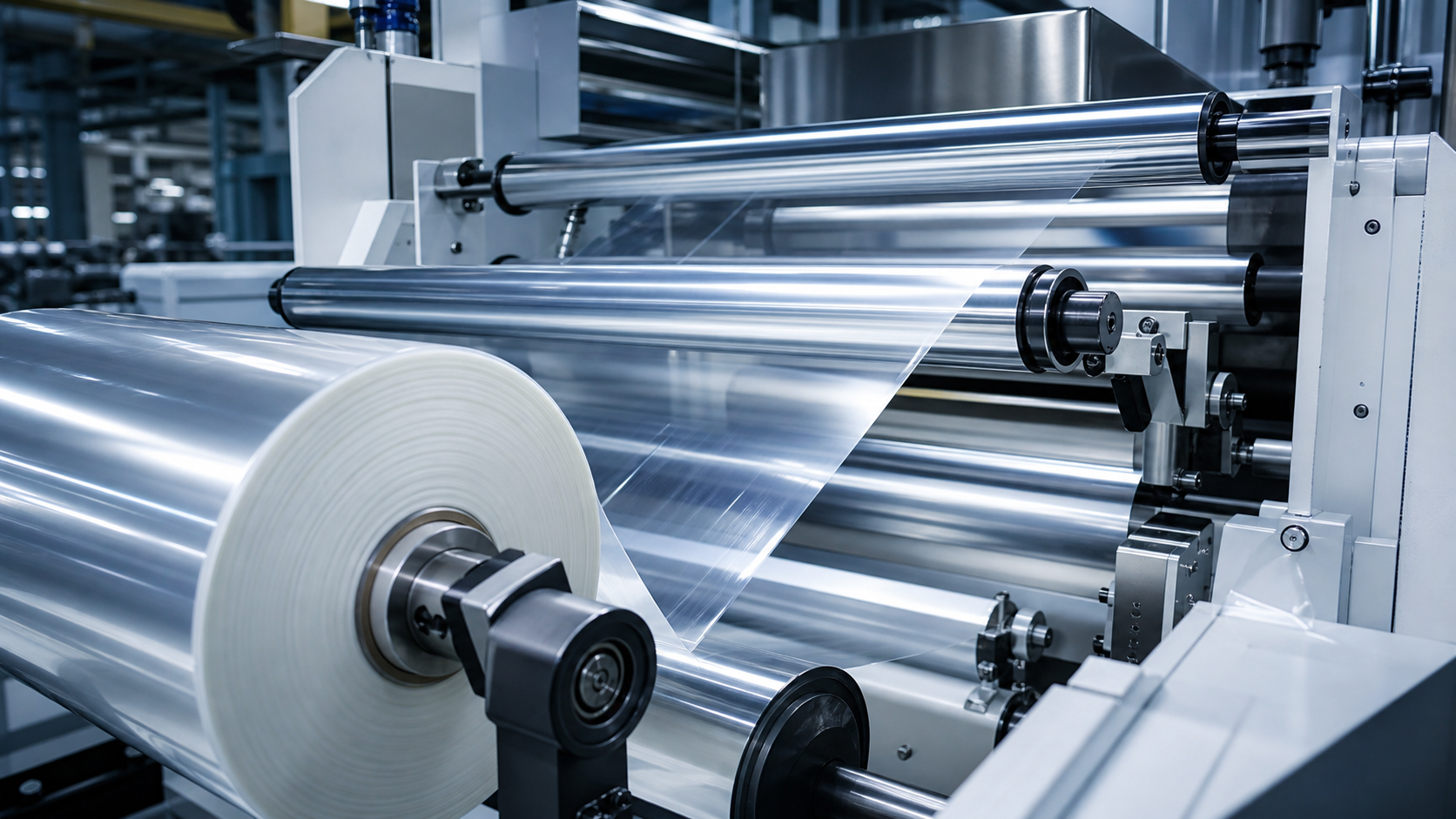
BOPP bags are usually made by converting a selected BOPP film or BOPP-containing structure into a finished bag: the web is prepared, printed or laminated when required, slit, formed, sealed, inspected, and packed. The exact route depends on the film grade, bag format, product, artwork, closure, and production equipment.
A buyer should approve the finished bag specification and representative production result, not only the phrase “BOPP bag.”

What Is the Starting Material?
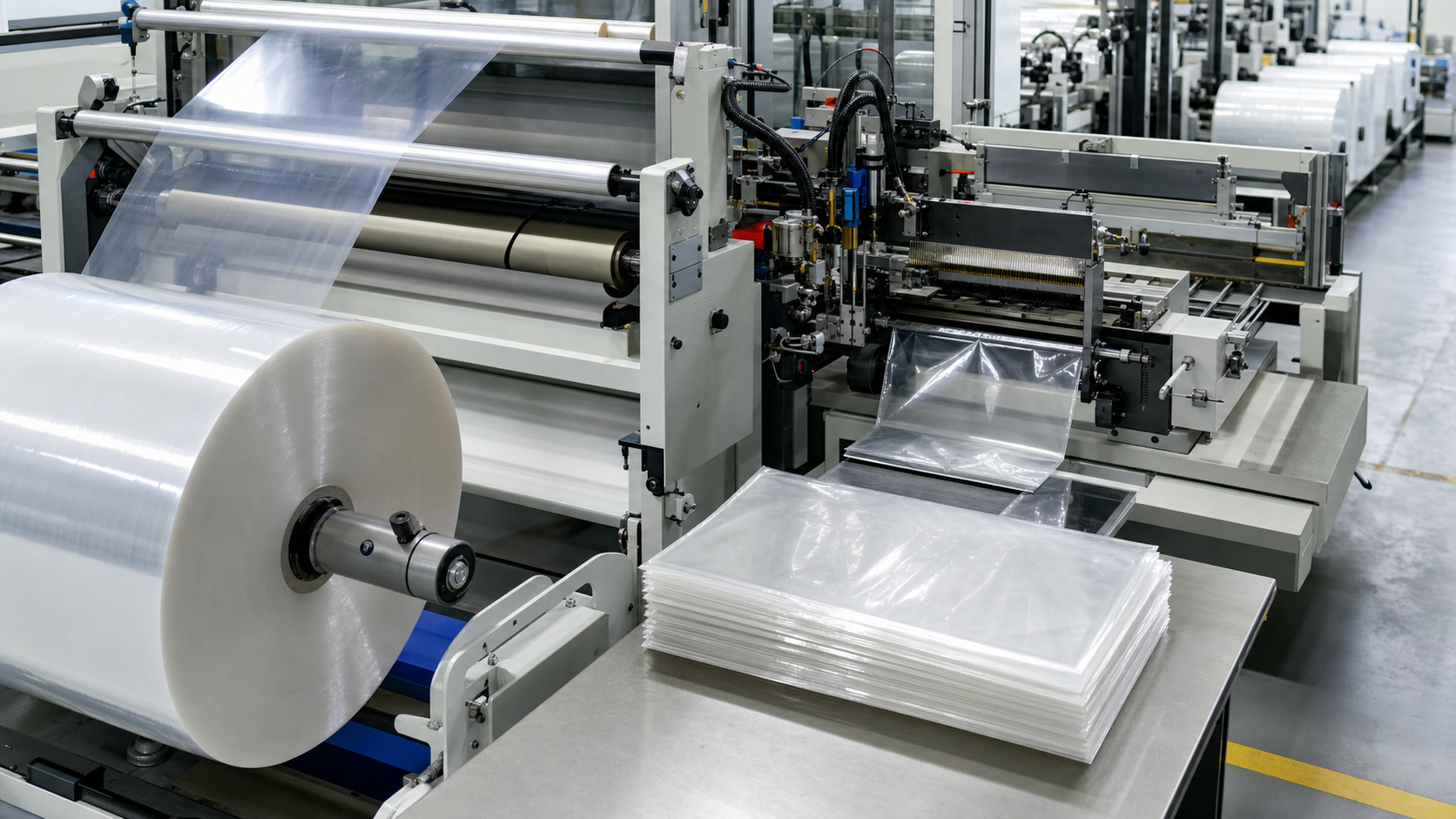
The process starts with a film specification suited to the intended bag. BOPP may be clear, white, matte, coated, metallized, sealable, or used in a laminate. The required film role, gauge range, print surface, seal system, and product-protection needs should be defined before conversion begins.
How Is Artwork Added?
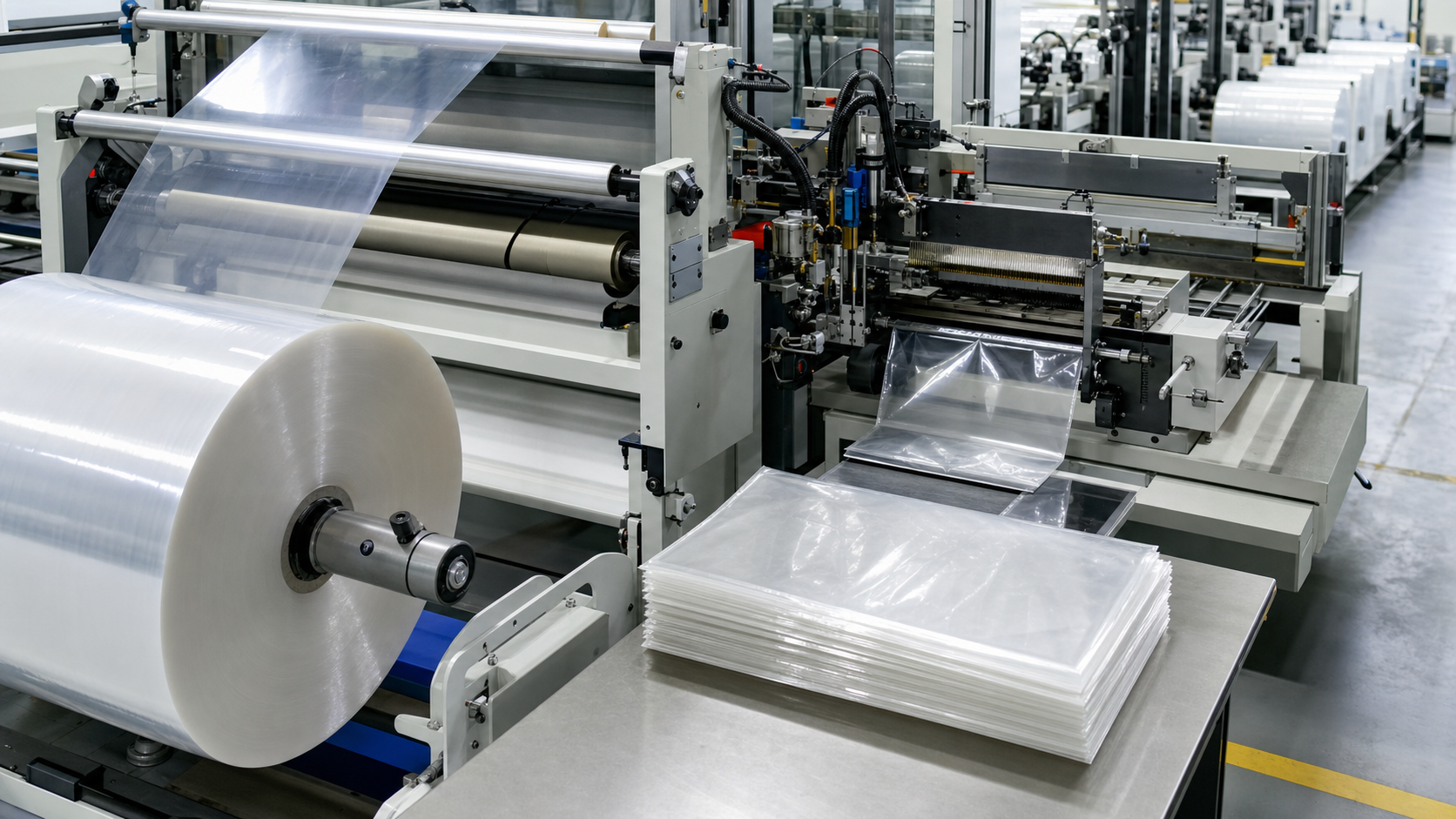
For printed bags, the film web is commonly printed using the selected process and approved artwork. Ink system, color approval, registration, drying, and surface treatment must match the film and the later converting route. If a laminate is required, the printed web can be combined with other functional layers according to the approved structure.
How Does Film Become a Bag?
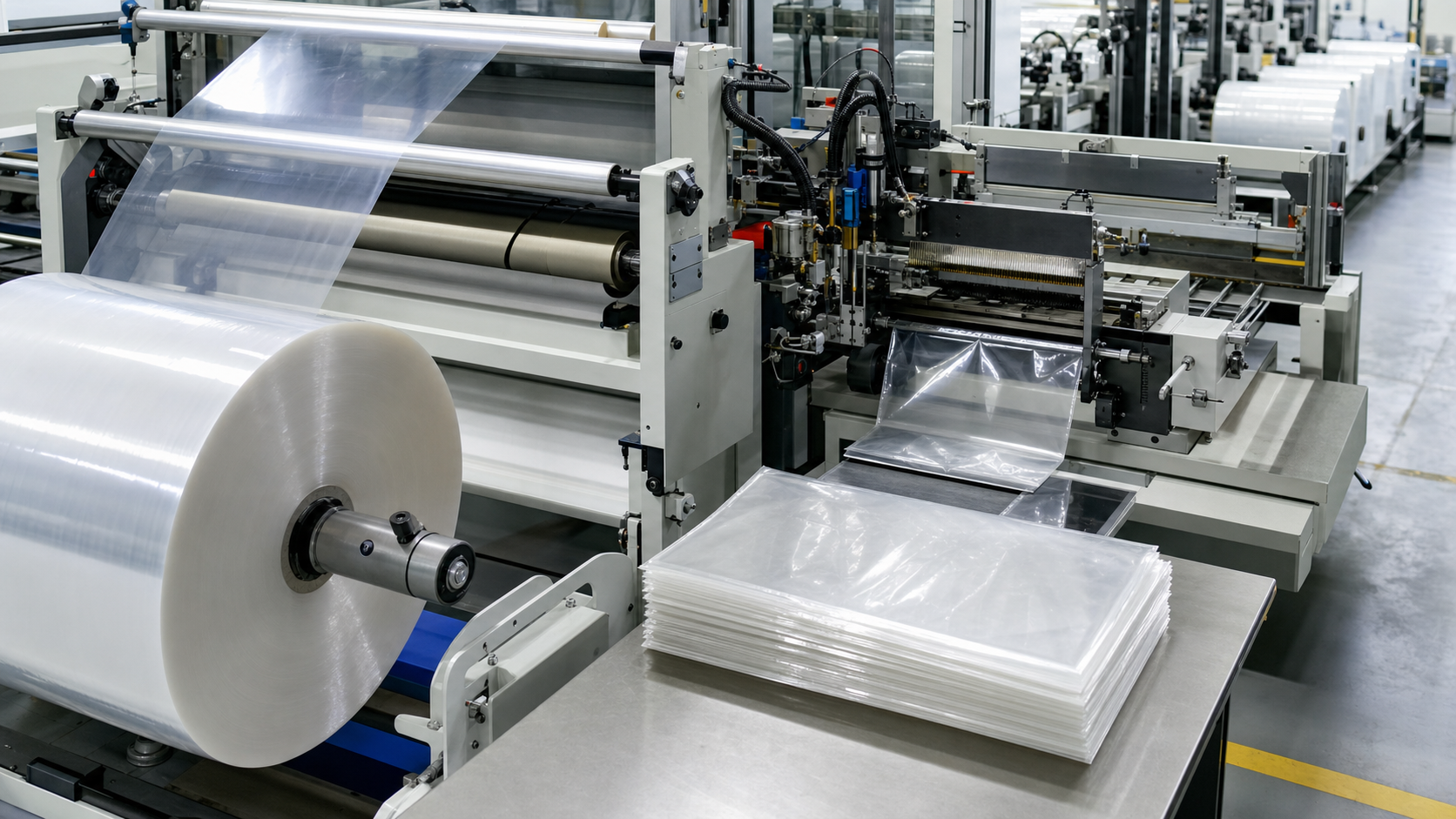
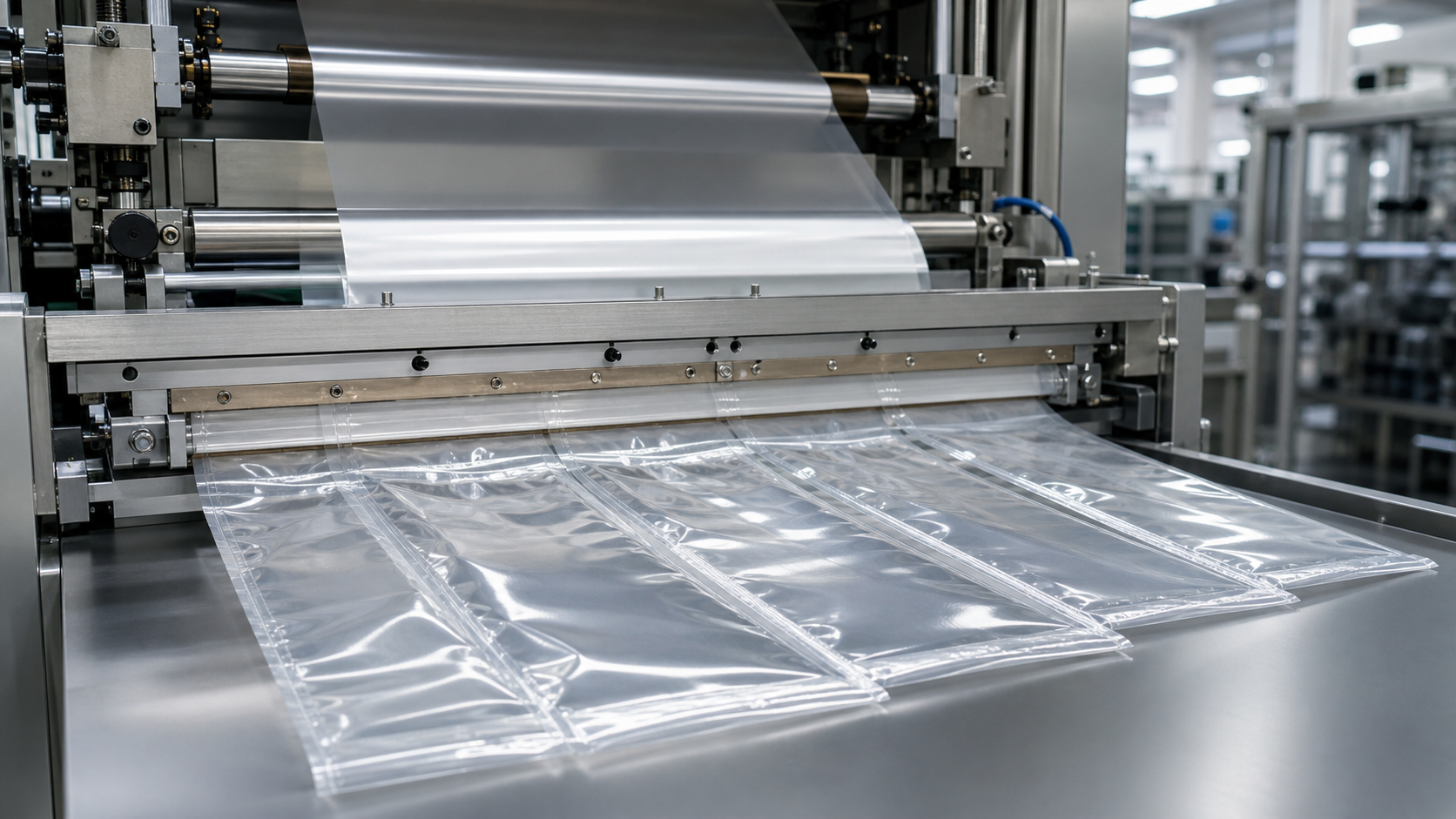
The finished web is slit to width, then fed through bag-making equipment. The machine forms the required shape, creates side or bottom seals, and adds features such as a gusset, header, perforation, hang hole, zipper, or wicket when specified. Heat settings, tension, web alignment, and dwell time need to suit the actual materials and bag geometry.
What Quality Checks Matter?
Inspect the finished bags, not just the rollstock. Typical checks can include dimensions, seal appearance and integrity, print registration, bag opening, blocking, odor, surface defects, count, pack configuration, and application-specific handling. The final inspection plan should be tied to the agreed specification and intended use.
Why Is a Production Trial Important?
Bag-making conditions and filling conditions can expose issues that a film sample does not show. Run a representative trial with the intended product, bag format, machine route, storage, and distribution profile. Agree the acceptance criteria before the trial so the results are actionable.
How Is the Bag Specification Prepared Before Conversion?
Manufacturing begins with a completed brief, not simply an order for a bag size. The brief should state the product being packed, bag function, finished dimensions, construction or laminate where known, print requirements, closure design, expected fill weight, filling route, packing quantity, pallet pattern, and destination market. If the buyer has an existing bag, a retained sample and photographs of any defect are useful references.
Separate mandatory attributes from preferences. For example, a specified finished width, header position, seal arrangement, or approved artwork may be mandatory, while a particular roll or pack configuration may be open to a supplier recommendation. This gives the converter a clear basis for preparing a sample and prevents an early quote from being mistaken for an approved production specification.
The supplier should identify assumptions before work starts. If the proposed BOPP film, seal layer, print route, or bag geometry differs from the existing sample, the buyer should understand the difference and decide whether a new trial is required. Similar-looking bags can perform differently when product flow, heat settings, machine speed, storage, or transport changes.
What Happens During Printing, Lamination, and Slitting?
Where a bag requires branding or instructions, the artwork is reviewed before printing. The approved file, color reference, copy, barcode or variable information, and allowable variation should be agreed in the correct production format. Printing is then assessed alongside the film surface and subsequent converting route. Ink adhesion, registration, drying, scuffing, and visual appearance need to be checked on a representative web rather than assumed from a digital proof.
Some BOPP bag constructions use a laminate, coating, or additional layer to meet a defined functional role. The appropriate structure depends on the application. A buyer should request the current information for the exact proposed materials and avoid treating a general “barrier” or “heavy-duty” claim as proof of the finished-bag outcome.
After printing or lamination, the web may be slit to the bag-making width. Slitting is not merely a cutting step: edge condition, roll build, tension, winding direction, core, and roll diameter can affect how the material runs at the next stage. Confirm the bag-making equipment’s requirements and record the approved roll format so a later production batch can be compared with the sample.
How Are Forming and Sealing Conditions Controlled?
Bag-making equipment brings the web into the required orientation, forms the shape, creates seals, and adds specified features. The process may use side seals, bottom seals, a fold, gusset, header, perforation, hang hole, wicket, zipper, or another approved format. The relevant machine settings depend on the selected materials and geometry, so they should be established through a representative setup rather than applied as universal BOPP settings.
During setup, inspect bags at the point where the process can still be adjusted. Check dimensions, seal appearance, alignment, print position, opening behavior, and any feature that will affect packing or the user experience. If a customer fills the bag on another line, include that route in the validation plan. A bag that looks acceptable empty may behave differently when opened, filled, sealed, stacked, or handled.
Define how nonconforming bags are separated and how production records identify the relevant material or batch. The appropriate inspection frequency and acceptance criteria are product-specific, but the principle is consistent: the finished bag should be checked against the agreed written brief, not a verbal memory of the intended design.
What Should the Final Inspection and Packing Review Cover?
Final inspection should confirm the elements that matter to the buyer: finished dimensions, seal and edge appearance, print accuracy, surface defects, bag count, pack configuration, labels, and protective packing. Where a particular handling, storage, or product-contact requirement applies, identify the current document or trial evidence used for the decision. Do not promise a performance or compliance outcome that has not been reviewed for the exact use case.
Packing protects the finished bags until they reach the customer. Agree the inner pack, carton or outer wrap, label information, pallet arrangement, and handling requirements for the route. If export shipment is involved, include the delivery format and receiving-site constraints in the original brief. Good conversion work can be undermined if a finished bag is crushed, contaminated, mixed, or inadequately identified after it leaves the machine.
How Should a Buyer Approve and Control Repeat Orders?
Retain the approved bag sample, artwork reference, construction summary, relevant trial result, inspection criteria, and order confirmation. The record should identify what was actually approved and for which product and process. When a repeat order is placed, reconfirm the material, print, bag format, packing method, and any commercial changes.
Agree that a proposed change in film grade, laminate, thickness basis, print process, bag geometry, closure, production location, or packing method will be communicated before shipment. The buyer can then determine whether the change needs a document review, a new sample, or a production trial. This is a practical control for repeatability, not a guarantee that every approved bag will suit every application.
What Should You Send CHALVO?
Send your bag drawing or current sample, product details, dimensions, artwork status, film or laminate preference, closure requirement, packing requirement, target market, and any current defect evidence. CHALVO can help organize an application-specific BOPP bag discussion and sample plan.
Related CHALVO resources
- BOPP Bags | Comsyn – Industrial Bags Manufacturers?
- What are the advantages of using BOPP courier bags?
- What is the Difference Between PP Bags and BOPP Bags?
FAQ / People Also Ask
Are all BOPP bags heat-sealable?
No. Sealability depends on the selected film or laminate structure and the intended bag-making process.
Can BOPP bags be printed?
Yes, many BOPP bag structures can be printed, but the artwork, ink system, surface treatment, and converting route must be matched to the specification.
What is the most important approval step?
Approve representative finished bags against the written specification and intended application, including a suitable production or filling trial.
Summary
BOPP bag manufacture turns a specified film structure into a finished, inspected bag through printing or lamination where needed, slitting, forming, sealing, and quality control. Define the application first and validate the representative finished bag before approval.
Meta Title
How are Bopp bags manufactured?
Meta Description
See how BOPP bags are typically made, from film selection and printing to forming, sealing, inspection, and production validation.
CTA
Send CHALVO your BOPP bag specification, product, dimensions, and process requirements for an application-specific sample discussion.