You might not know what BOPP is, but you’ve seen it and used it a million times in the daily life. Chalvo, a big player in the BOPP game, wrote this article to explain what BOPP is, what it’s used for, and how it’s changed over the years. We want to help you understand why BOPP is important and how it’s gotten to where it is today. By the time you finish this article, you’ll know all about BOPP and how it’s part of your everyday life.

Introduction to BOPP:
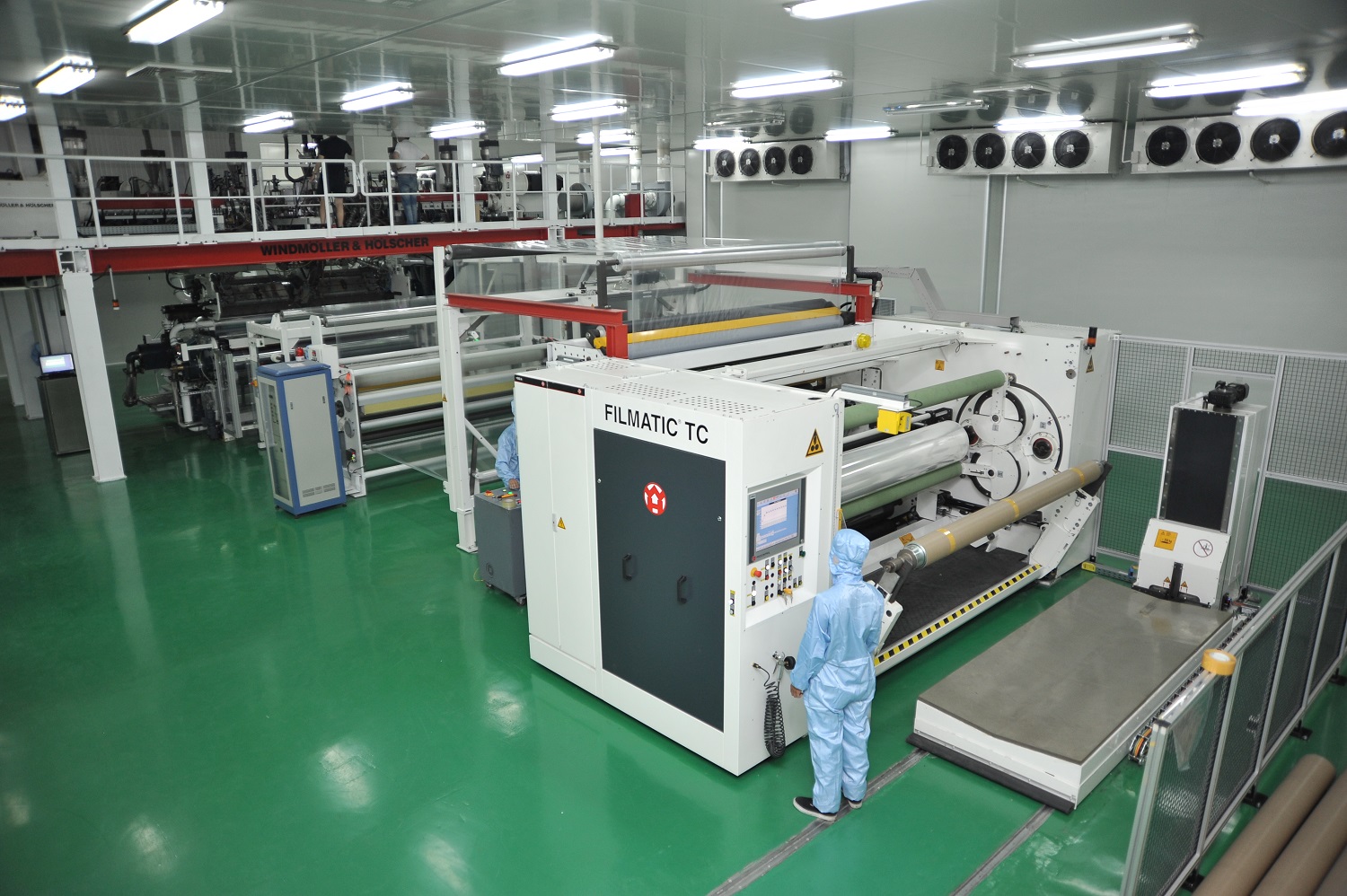
Definition: BOPP (Biaxially Oriented PolyPropylene) is a material stretched in both the machine and transverse directions, facilitating orientation of molecular chains in two axes. Produced through either the tubular process, where a tube-like bubble is expanded, or the tenter process, involving the heating of a thick extruded sheet to a softening point (below m elting) followed by mechanical stretching up to 300-400 degrees.
Commercialized in the early 1960s by firms like Brückner-Maschinenbau, BOPP gained popularity for its affordability, opacity, and resilience against harsh outdoor conditions. It ranks as one of the most widely used plastics globally, with consumption exceeding six million tons, making it the second most popular plastic. Its applications are versatile, covering both packaging uses in food and non-food sectors, significantly impacting daily life.
The Advantages and Limitations:
From 2004 to 2024, BOPP films have significantly grown in popularity due to its durability, adhesion capabilities, and weather resistance, making it a preferred material for digital labels and markings. Its cost-effectiveness and versatility also make it ideal for several industries, including label printing.
Advantages
The benefits displayed in various industries or products are:
- Eco-friendliness
- Lightweight
- Broad international appeal
- Reduced product damage from transportation and weather
- Moisture resistance
Limitations
However, no product is without flaws. BOPP films have poor sealability, leading to potential blurring changes in appearance. Being insulators, they pose as poor electrical conductors, with the attracted charges causing issues in some conditions, especially in electronic product packaging. To improve wettability and adhesion, surface modifications such as corona treatment, which is cost-effective and continuous, are employed.
BOPP Films Production Process:
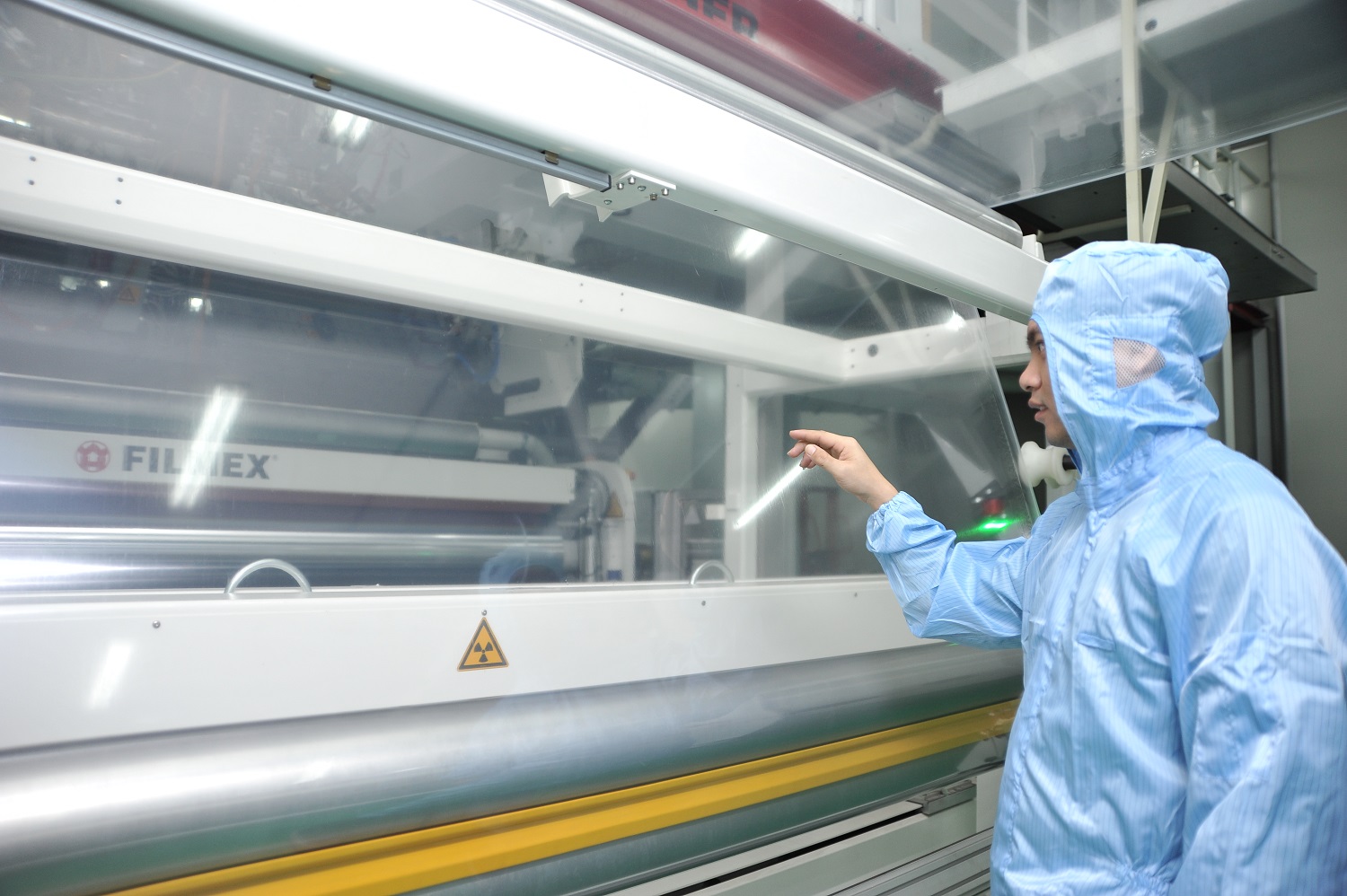
BOPP films are produced via tubular or tenter processes, involving expansion or mechanical stretching, respectively. The latter, more common process, allows adjustable stretching ratios, producing glossy, translucent films. Biaxial orientation improves toughness, stiffness, transparency, oil and grease resistance, and barrier properties against moisture and oxygen.
For a visual understanding of the process, check out Brückner’s company video: Brückner Company Process Video

Common Types of BOPP Films:
BOPP films come in several variants: glossy, matte, function, metallized, functional, and coated films.
Glossy BOPP Films
Popular for waterproofing capabilities, enhancing label durability and protecting print content.
Matte BOPP Films
Provides a matte effect by absorbing and reflecting light, often used in premium packaging.
Function BOPP Films
Typically a three-layer co-extruded film with a thermal seal layer, ideal for hot-sealed products like cutlery bags.
Metallized BOPP Films
Coated with a thin metal layer, giving a metallic finish and widely used for various packaging needs.
Heat Sealable BOPP Films
Feature a layer that ensures strong sealing properties, perfect for food packaging and gifts.
Coated BOPP Films
With a specific material coating on one or both sides, these films act as a robust barrier between the product and external elements.
As the Premier Material for Labels:
BOPP label printing stands out for creating high-quality, visually appealing waterproof labels. Details like text and artwork are printed with digital printers, followed by the application of a protective adhesive layer, ensuring firm adherence to products. The precise printing and die-cutting process shapes them into desired forms for packaging and shipping. Learn more through the following video:

Future Prospects and Innovation:
Advancements in BOPP, such as matte finishes, holographic effects, and tactile textures, have allowed businesses to explore new packaging concepts creatively. The allure of BOPP film’s glossiness enhances packaging and customer presentation, promoting its widespread adoption across various fields. The material’s visual and functional advantages will continue to inspire packaging design innovation, maintaining its critical role in brand recognition and consumer engagement.:
Current market situation


As the picture shows,the BOPP film market has shown consistent growth over the past five decades, despite fluctuations in the annual growth rate. Each decade marked a significant increase in production volumes, indicating sustained demand and market expansion.
(Source of chart::https://www.webull.co.jp)
Judging from the supply and demand of the current BOPP film world market, the development of bopp film is still rapid.
Market expansion
The annual growth rate has progressively decreased from 19% in the 1970s to 5% in the 2010s.
This trend suggests a shift from rapid market expansion to a more stable and mature market environment.
Substantial Production Increase
The total production volume of BOPP films has increased from less than 100 thousand tonnes in the early 1970s to over 8,000 thousand tonnes by 2020.This remarkable growth underscores the material’s widespread adoption and critical role in various industries, particularly packaging.
Main market
In the global market, the main manufacturers of BOPP film packaging materials are mainly concentrated in Asia and North America, and the top five manufacturers account for about 65.41% of the global market. In terms of product types, 15-30 micron BOPP film is currently the main segmented product on the market, accounting for about 31.76% of the market share. In terms of application areas, the food and beverage industry is the largest downstream market for BOPP film, accounting for 41.22% of the market share. These data reflect the important position and application prospects of BOPP film in different industries and markets. (The above data comes from sohu.com)
Future Market Outlook
Looking ahead, as technology continues to advance and evolve, BOPP films will find new applications which will make BOPP films even better. Also, biodegradable BOPP films will become more important. By 2030, the global BOPP films market is valued at USD 23.55 billion. The market is expected to grow from USD 24.76 billion in 2024 to USD 38.40 billion in 2032, at a CAGR of 5.64% during the forecast period. (source:fortunebusinessinsights.com)
Technological Advancements and Innovation
In the future, as technology continues to advance and innovate, the application fields of BOPP films will expand. One area to note is the introduction of nanotechnology, which will make BOPP films even better. This will make BOPP films more suitable for high-end packaging and protecting electronic products. For example, nanotechnology can make BOPP films better at keeping stuff out, stronger, and more durable. This makes them great for packaging sensitive electronic components that need to be protected from the environment.
Environmental Awareness and Biodegradable BOPP Films
As people become more aware of the environment, the development and use of biodegradable BOPP films will become more important. People are starting to get on plastic’s case because of the environment. They want packaging that’s more sustainable. Biodegradable BOPP films are a good answer because they break down under certain conditions. This reduces the long-term impact on the environment. People want more sustainable packaging because they care about the environment, and the government is putting pressure on companies to reduce plastic waste. Companies are investing in research and development to create BOPP films that work great and are good for the environment.
Market Growth and Economic Impact
By 2030, the global market for biodegradable BOPP films is expected to reach $38 billion, with an average annual growth rate of over 5%. This is a big deal because it means there’s a lot of demand for sustainable packaging in a lot of different industries. As more people start using biodegradable BOPP films, it’s going to drive improvements in how they’re made, how much they cost, and how well they work. Also, this growth is going to create jobs in research, development, and manufacturing. That’s good for the economy. As more and more industries see the benefits of using biodegradable BOPP films, the market is going to keep growing. This shows that more and more people want sustainable packaging.
About CHALVO:
CHALVO is a company that specialises in customised packaging solutions as well as production. Feel free to send us any content on packaging, progress and growth together will be our constant theme.